AI Chatbot for E-Learning: How AI Transforms Education
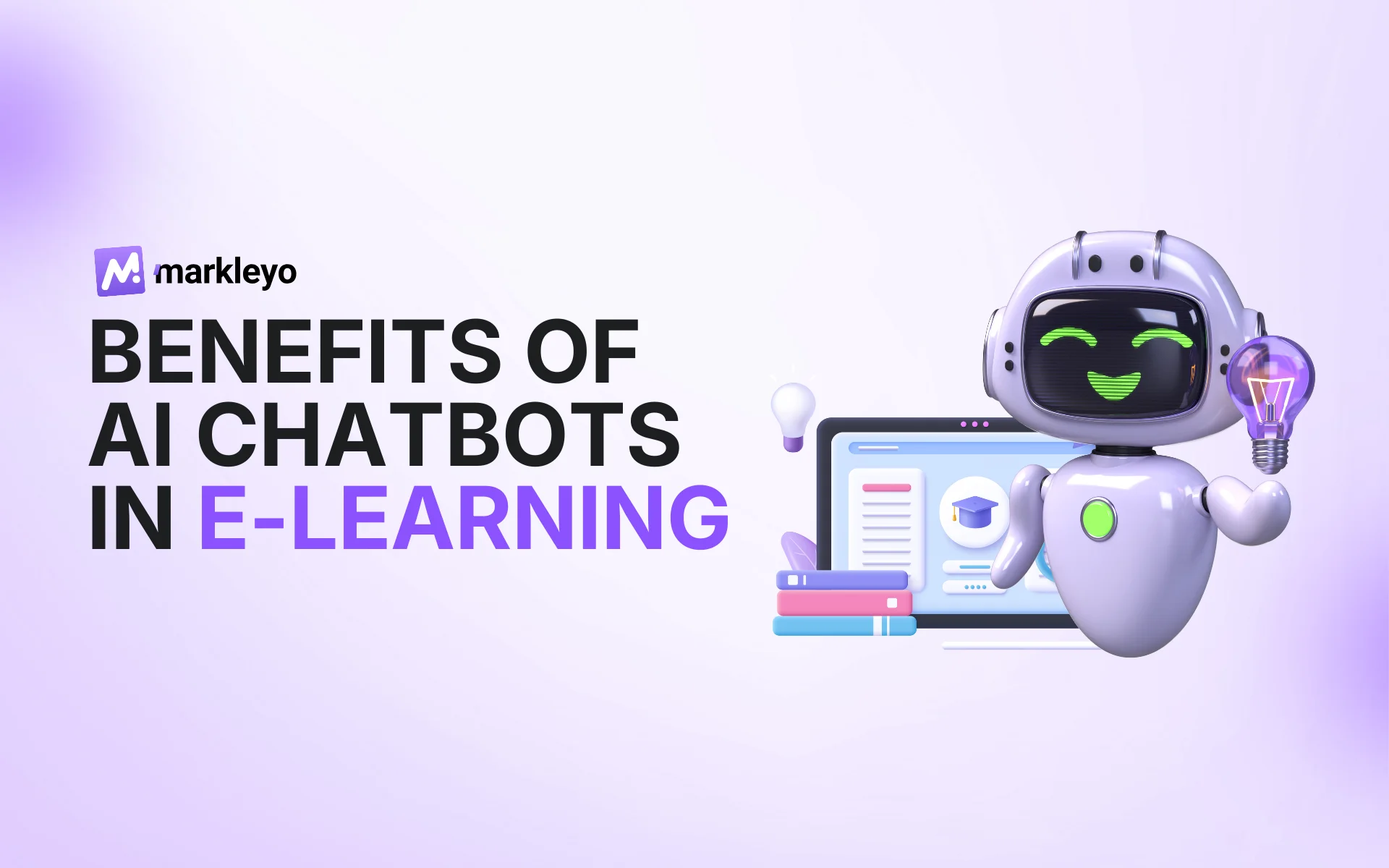
The integration of AI chatbots for e-learning has transformed the way students and teachers interact with educational platforms. By combining adaptive technologies with real-time communication, learning is no longer confined to a classroom. Instead, it extends into a digital space powered by active learning AI and conversational tools. Whether it is used for tutoring, assessment, or AI in language learning, this technology has created personalized, efficient, and more engaging ways to study. The impact of AI in education is evident across schools, universities, and corporate training programs, as institutions worldwide embrace AI adoption in education to meet the demands of modern learners.
Table of Contents
How Does AI Enhance Learning Experiences?
Artificial intelligence enhances learning experiences by creating personalized pathways for every student. Instead of offering one-size-fits-all lessons, AI analyzes learning behavior, identifies strengths and weaknesses, and adjusts content accordingly. This creates a system where learners engage through active learning AI, which ensures they are not passive recipients but active participants in their education.
AI also enhances multimedia-based e-learning by providing intelligent content recommendations, adapting exercises in real time, and enabling conversational practice. In AI in language learning, chatbots simulate real-world conversations, allowing learners to practice pronunciation, grammar, and vocabulary without fear of making mistakes. The result is a more interactive and dynamic learning environment.
Do AI Chatbots Improve Students’ Learning Outcomes?
The introduction of AI chatbots in education has raised an important question: do these systems actually improve student performance? Research and practical adoption show that the answer is yes. By offering 24/7 support, AI chatbots remove barriers of time and availability. A student no longer has to wait for a teacher to respond to questions, as the chatbot delivers instant answers.
This immediate feedback cycle encourages continuous learning. Students feel supported, confident, and motivated to continue exploring their subjects. The impact of AI in education is particularly strong in e-learning platforms, where retention rates often struggle due to lack of human interaction. Chatbots bridge that gap, ensuring that learners stay engaged and supported. Over time, this leads to better outcomes, higher exam success rates, and deeper understanding of concepts.
How Is AI Used in E-Learning?
The use of AI in e-learning extends across multiple aspects of the digital education system. It is not limited to just answering questions but plays an active role in shaping the entire educational journey.
AI in Virtual Tutoring and Mentorship
AI-driven virtual tutors provide students with explanations, structured learning paths, and personalized mentorship. These systems adapt lessons based on progress, making sure learners stay on track.
AI-Powered Assessments and Feedback
One of the most powerful applications of AI is in automatic grading and feedback. Students receive instant results, along with suggestions for improvement. This not only saves time for educators but also ensures learners do not wait days to understand their mistakes.
AI in Language Learning
Perhaps one of the most exciting applications is AI in language learning. Chatbots allow students to practice conversational skills in real time, correcting grammar, pronunciation, and vocabulary. This is particularly effective for second-language learners, making practice accessible and stress-free.
Intelligent Resource Recommendations
AI curates relevant resources, tailoring study materials to a student’s goals. For instance, an engineering student might receive advanced problem-solving guides, while a beginner in language studies may be directed toward interactive exercises.
Through these methods, AI chatbots for e-learning create an integrated environment that promotes both independent study and collaborative learning.
What Is the Role of ChatGPT AI in Student Learning Experience?
The role of ChatGPT in education is increasingly recognized as transformative. ChatGPT-powered AI chatbots in education provide natural, conversational interactions that make students feel like they are speaking with a mentor.
ChatGPT supports learning by breaking down complex concepts into simpler explanations, guiding students through projects, and even helping them brainstorm ideas. In addition, it plays an important role in exam preparation by simulating test scenarios, offering practice questions, and clarifying doubts.
Unlike traditional teaching methods, ChatGPT-based systems are available around the clock. This makes the AI chatbot for education an invaluable companion for students who study at their own pace. While ChatGPT does not replace teachers, it complements their efforts, providing scalable support to learners across the globe.
How Can AI Help in Good Health and Well-Being Within Learning?
An often-overlooked aspect of AI in education is its contribution to student well-being. With the growth of e-learning, students can feel isolated or overwhelmed. AI chatbots provide not only academic support but also encouragement, reminders for healthy study habits, and stress-management prompts.
By supporting mental health alongside academics, the AI chatbot for health and wellness contributes to a holistic learning environment. This link between education and well-being shows how far-reaching the impact of AI in education can be.
The Future of AI Adoption in the Education Sector
The AI adoption in education sector is accelerating, and the future promises even more advanced tools. Virtual classrooms will be powered by active learning AI, making each session interactive and dynamic. Personalized assessments will be created instantly, and global collaboration will be enhanced by AI in language learning tools.
The impact of AI in education will likely extend to lifelong learning as well, where professionals can use chatbots to continuously reskill and upskill in rapidly changing industries. With increasing investments in education technology, the next generation of students will grow up in an environment where AI chatbots in education are as natural as textbooks.
Conclusion
The role of AI chatbots in education has evolved from simple assistance tools to essential components of e-learning systems. By leveraging active learning AI, real-time feedback, and AI in language learning, they enhance both engagement and outcomes. The impact of AI in education is undeniable, with institutions worldwide embracing AI adoption in education to improve accessibility and learning quality.
Far from replacing teachers, chatbots like ChatGPT act as partners in education, making learning smarter, faster, and more personalized. As we look to the future, the presence of AI chatbots for education will only deepen, ensuring that learners everywhere can thrive in a connected digital world.
How is AI useful in the education system?
AI makes education more efficient by personalizing lessons, automating grading, and creating adaptive learning experiences that fit each student’s pace.
What are some examples of AI being used in education?
Examples include AI chatbots for e-learning, AI in language learning, automated feedback systems, and personalized resource recommendations.
What is the best AI chatbot for education?
The best AI chatbots for education are those powered by advanced language models such as ChatGPT, which provide natural conversation, deep subject knowledge, and scalable learning support.
What is the impact of AI in education?
The impact of AI in education is evident in improved engagement, better learning outcomes, reduced teacher workload, and greater accessibility for students worldwide.
How is AI adoption in education changing classrooms?
AI adoption in education is creating smart classrooms where lessons are adaptive, interactive, and tailored to student needs, ensuring a more engaging learning experience.