
How AI Copywriting Improves Conversion Rates for E-commerce
In today’s competitive online marketplace, every word matters. The right product description or call-to-action can mean the difference between a visitor and a paying customer. That’s where AI copywriting for e-commerce comes in — combining data-driven insights with creative language to craft content that converts.
AI-powered copywriting tools are reshaping how online stores engage, persuade, and sell. From personalized product recommendations to high-performing ad copy, AI is helping e-commerce brands boost conversion rates while saving time and resources.
In this article, you’ll learn how AI copywriting improves conversion rates and how to strategically implement it in your business.
Table of Contents
Understanding AI Copywriting and Its Role in E-commerce
What Is AI Copywriting?
AI copywriting uses artificial intelligence, natural language processing (NLP), and machine learning to create marketing copy that’s both engaging and conversion-focused. These tools analyze customer data, search intent, and emotional cues to write compelling text — from product descriptions to promotional emails.
Unlike traditional copywriting, which relies heavily on manual research and creativity, AI-driven copywriting can instantly generate hundreds of optimized variations. It identifies what phrases resonate most with audiences, ensuring every piece of content supports your e-commerce goals.
Why E-commerce Businesses Are Turning to AI Copywriting
Modern online shoppers expect personalized and seamless experiences. AI helps businesses meet those expectations by generating tailored messages that appeal to each customer segment.
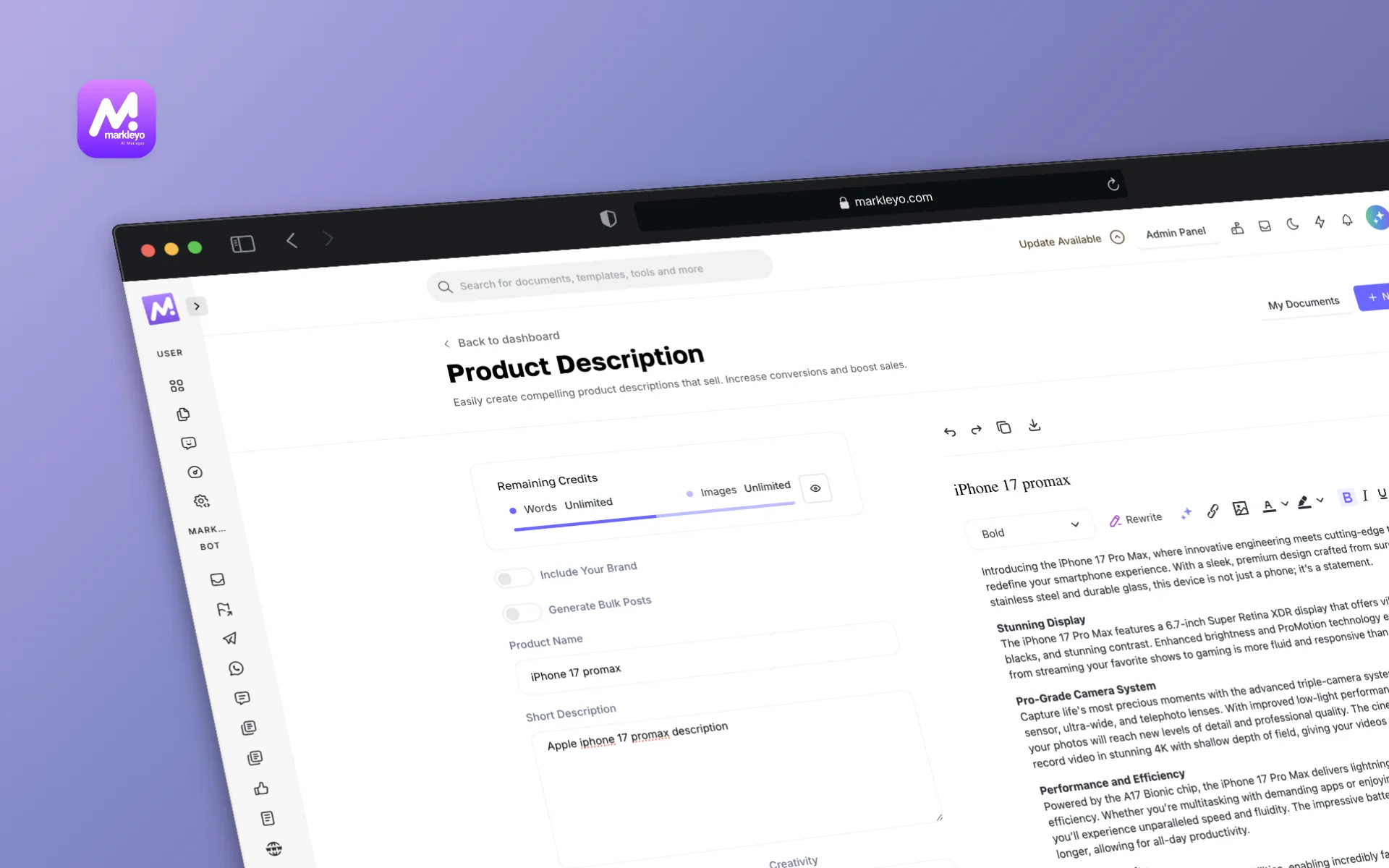
Whether it’s writing thousands of SEO-friendly product descriptions, optimizing CTAs, or testing ad variations, AI copywriting improves conversion rates by ensuring your content performs better — faster. This efficiency allows brands to focus on growth strategies rather than repetitive content creation.
Key Ways AI Copywriting Boosts Conversion Rates
Conversion rate optimization (CRO) in e-commerce depends on persuasive storytelling, emotional connection, and strategic targeting. AI copywriting enhances each of these factors by delivering copy that’s personalized, data-driven, and conversion-tested.
1. Hyper-Personalized Content That Resonates with Shoppers
Modern consumers expect personalization at every touchpoint. AI copywriting tools excel in understanding what each visitor values most. By analyzing user data — demographics, browsing patterns, and purchase history — AI tailors messages to meet specific expectations.
For instance, if a user often searches for sustainable products, the AI system highlights eco-friendly features like recyclable materials or carbon-neutral shipping. Another customer looking for discounts might see copy emphasizing “affordable,” “best value,” or “limited-time offer.”
This type of tailored communication is key to why AI copywriting improves conversion rates — it builds trust and emotional connection at scale. Personalized product messages can boost conversions by up to 80%, proving that relevance leads to revenue.
2. Smarter Product Descriptions that Sell
A well-written product description does more than list features — it tells a story that helps customers visualize how a product improves their lives. AI copywriting elevates this by combining creativity with keyword intelligence.
These systems analyze what type of language converts best for similar products, the emotional triggers that appeal to customers, and how to structure content for maximum readability. For example, an AI might generate multiple versions of a description, each optimized for different customer intents — from first-time visitors to repeat buyers.
Additionally, AI tools can automatically translate product descriptions into multiple languages, helping global e-commerce brands reach broader audiences without compromising tone or accuracy. This scalability ensures your brand voice remains consistent across regions — a critical factor in building trust and increasing conversions.
3. Improved SEO and Search Visibility
Even the best copy won’t convert if customers can’t find it. AI copywriting is inherently SEO-aware, meaning it not only writes compelling copy but also ensures it aligns with how people search.
AI systems evaluate search intent, keyword difficulty, and trending topics to create content that ranks higher on Google. Instead of stuffing keywords, AI tools integrate them naturally into product titles, headings, and descriptions — improving both readability and ranking potential.
Moreover, AI continuously monitors search data and adjusts your content based on performance trends. If certain phrases begin driving more traffic, the AI adapts your copy automatically. This proactive optimization helps businesses maintain visibility, attract more qualified leads, and, ultimately, increase conversion rates organically.
4. Real-Time Optimization and A/B Testing
One of the biggest advantages of AI copywriting is its ability to learn and optimize continuously. Traditional A/B testing can take weeks or months, but AI can test multiple variations of copy simultaneously and determine what works best in real time.
For example, it can analyze which call-to-action (CTA) — “Shop Now,” “Get Yours Today,” or “Limited Offer” — drives the most clicks and conversions. It also evaluates sentence structure, tone, and formatting to identify the combination that performs best.
This data-driven refinement ensures that your marketing copy is never static. Instead, it evolves with customer behavior, seasonal trends, and market changes — keeping your brand competitive and your conversions consistently high.
5. Consistent Brand Voice and Scalable Messaging
Maintaining a consistent tone across all e-commerce touchpoints — from product listings to promotional emails — is essential for brand trust. AI copywriting tools can be trained to replicate your brand voice precisely.
Whether your tone is playful, professional, or luxurious, AI ensures every message reflects that personality, no matter how many pieces of content you produce. This consistency strengthens brand recognition and creates a seamless shopping experience.
For growing businesses managing thousands of SKUs, AI provides scalable content generation without diluting brand identity. It helps ensure that every new campaign, product launch, or email series speaks in the same familiar voice your customers recognize — a key factor in improving engagement and conversions.
Real-World Impact of AI Copywriting on E-commerce Performance
Many leading e-commerce brands have already seen tangible results from AI-powered copywriting.
- Retailers report up to a 35% increase in conversion rates after implementing AI-generated content.
- AI-optimized product listings often achieve higher search visibility and lower bounce rates.
Beyond performance metrics, AI also improves the overall customer journey. From discovery to purchase, content becomes more relevant, personalized, and persuasive. In retargeting campaigns, for example, AI can create customized messages for abandoned carts — increasing recovery rates and lifetime customer value.
Ultimately, AI copywriting improves conversion rates because it combines human creativity with machine precision — crafting copy that speaks directly to what your audience wants and needs.
Implementing AI Copywriting in Your E-commerce Strategy
To maximize the benefits of AI copywriting, businesses should follow a structured approach:
1. Choose the Right AI Copywriting Tool
Select a tool that fits your business size, content volume, and brand voice. Look for features like tone adjustment, multilingual support, SEO integration, and analytics. Popular platforms like WriteGenic, Jasper, and Copy.ai are designed specifically for e-commerce optimization.
2. Integrate AI with Your Marketing Workflow
AI copywriting works best alongside human creativity. Let AI handle the repetitive work — generating drafts, A/B test variations, and keyword optimization — while your team fine-tunes tone and storytelling.
3. Measure the ROI of AI Copywriting
Track conversion-related KPIs such as click-through rates, engagement time, and sales lift. By continuously analyzing these metrics, you can refine your AI prompts and content strategies to maximize ROI.
Challenges and Best Practices for Using AI Copywriting
While AI copywriting for e-commerce offers huge advantages, it also comes with challenges.
- Avoid Generic Content: AI can sometimes produce bland or repetitive text. Always review output for creativity and authenticity.
- Maintain Brand Voice: Train your AI tool with past content and brand guidelines to ensure consistency.
- Combine AI and Human Input: The best results come when AI handles the data-heavy tasks and humans bring emotional nuance and storytelling flair.
Following these best practices ensures that AI enhances your marketing efforts rather than diluting your brand message.
Conclusion
AI copywriting has become a powerful driver of success in e-commerce. By combining automation, personalization, and data-driven optimization, it enables businesses to connect with customers more effectively and increase conversion rates.
When implemented strategically, AI copywriting doesn’t just save time — it transforms how you sell online. The brands that embrace this technology today will lead tomorrow’s digital marketplace with smarter, faster, and more persuasive content.
FAQs About AI Copywriting Improves Conversion Rates
-
How does AI copywriting increase e-commerce conversions?
AI copywriting increases e-commerce conversions by creating personalized, data-driven content that speaks directly to each shopper’s intent. It analyzes customer behavior, optimizes keywords, and tailors messages to boost engagement and sales.
-
What types of e-commerce content can AI copywriting create?
AI copywriting can generate a wide range of e-commerce content, including product descriptions, ad copy, email campaigns, blog posts, and landing page headlines. These help businesses maintain consistent branding while improving SEO and conversion rates.
-
Can AI copywriting replace human writers in e-commerce?
AI copywriting can automate repetitive tasks like product descriptions or ad copy but works best alongside human creativity. Human writers refine tone, emotion, and storytelling — ensuring the final content feels authentic and connects with customers.