10 Use Cases of AI Chatbots That Boost Business Efficiency
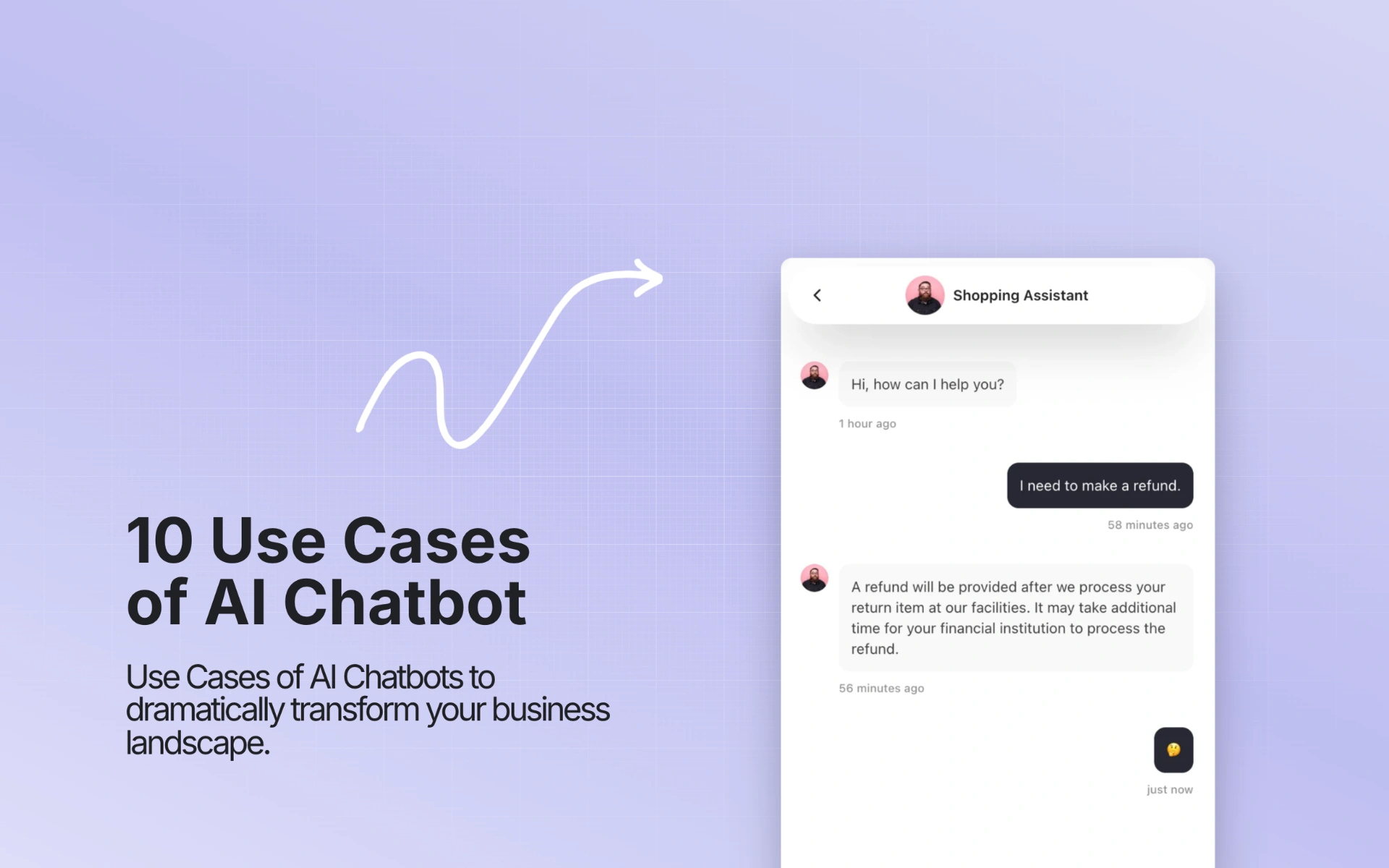
Use Cases of AI Chatbots have dramatically transformed the business landscape, providing efficiencies that were once unimaginable. From streamlining customer service to automating repetitive tasks, these digital assistants can handle a multitude of functions with ease. Businesses today are increasingly recognizing the value that AI chatbots offer — not only in improving productivity but also in enhancing customer satisfaction. With the right implementation, these tools can significantly reduce response times, increase engagement, and even drive sales.
Recent statistics show that companies utilizing AI chatbots can boost their productivity by up to 40%. In fact, a report from Juniper Research estimated that chatbots will help businesses save over $8 billion annually by 2022. By integrating AI chatbots into their operations, businesses can expect to enhance their communication strategies, resulting in higher retention rates and better customer experiences. With the pressing need for efficiency and an ever-increasing demand for immediate responses, the importance of understanding the 10 use cases of AI chatbots that boost business efficiency cannot be overstated.
Table of Contents
What Are AI Chatbots and Why Do Businesses Need Them?
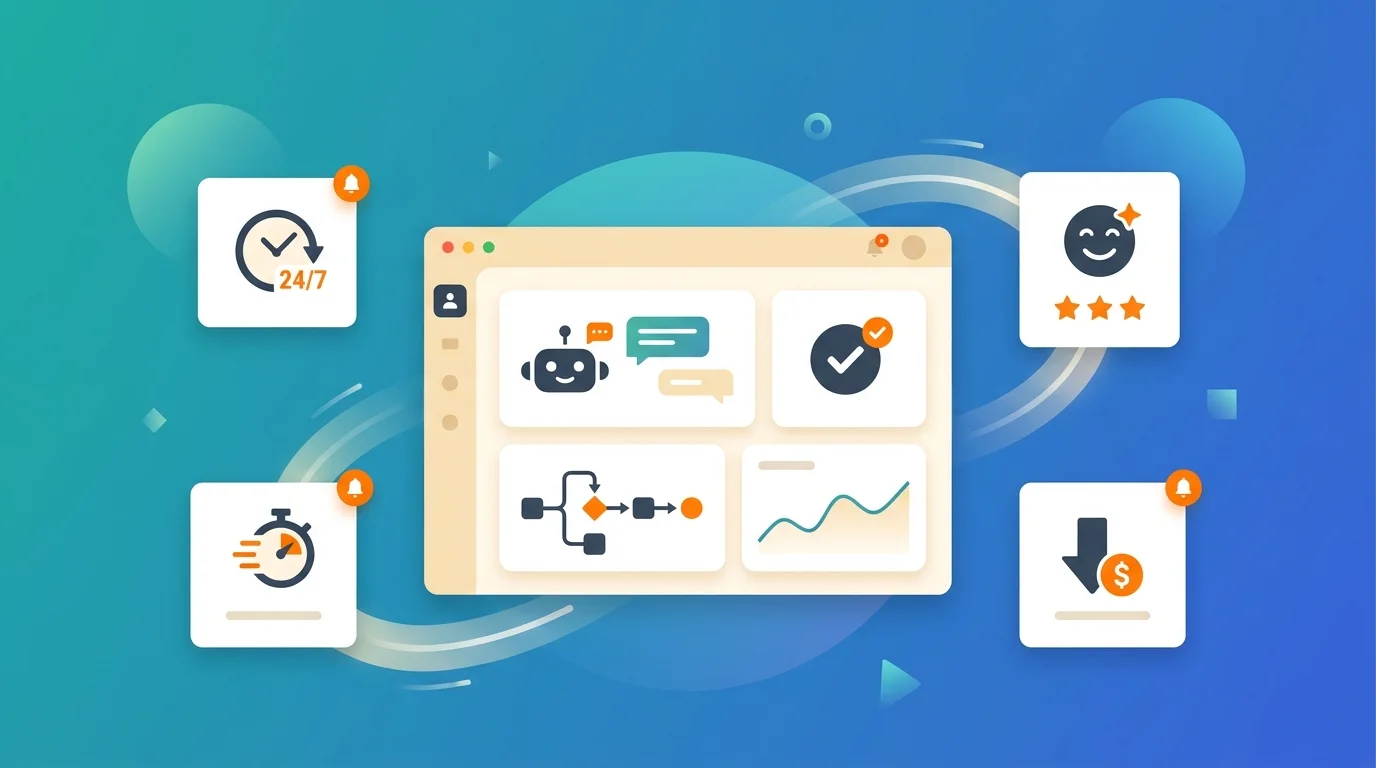
AI chatbots are sophisticated programs designed to simulate conversation with human users, allowing them to interact in natural language. Equipped with Natural Language Processing (NLP) capabilities, chatbots can understand and respond to human queries in a way that feels conversational. They are available 24/7, ensuring that businesses can provide support and information at any hour. In an age where instant gratification is the norm, AI chatbots are essential for maintaining a competitive edge.
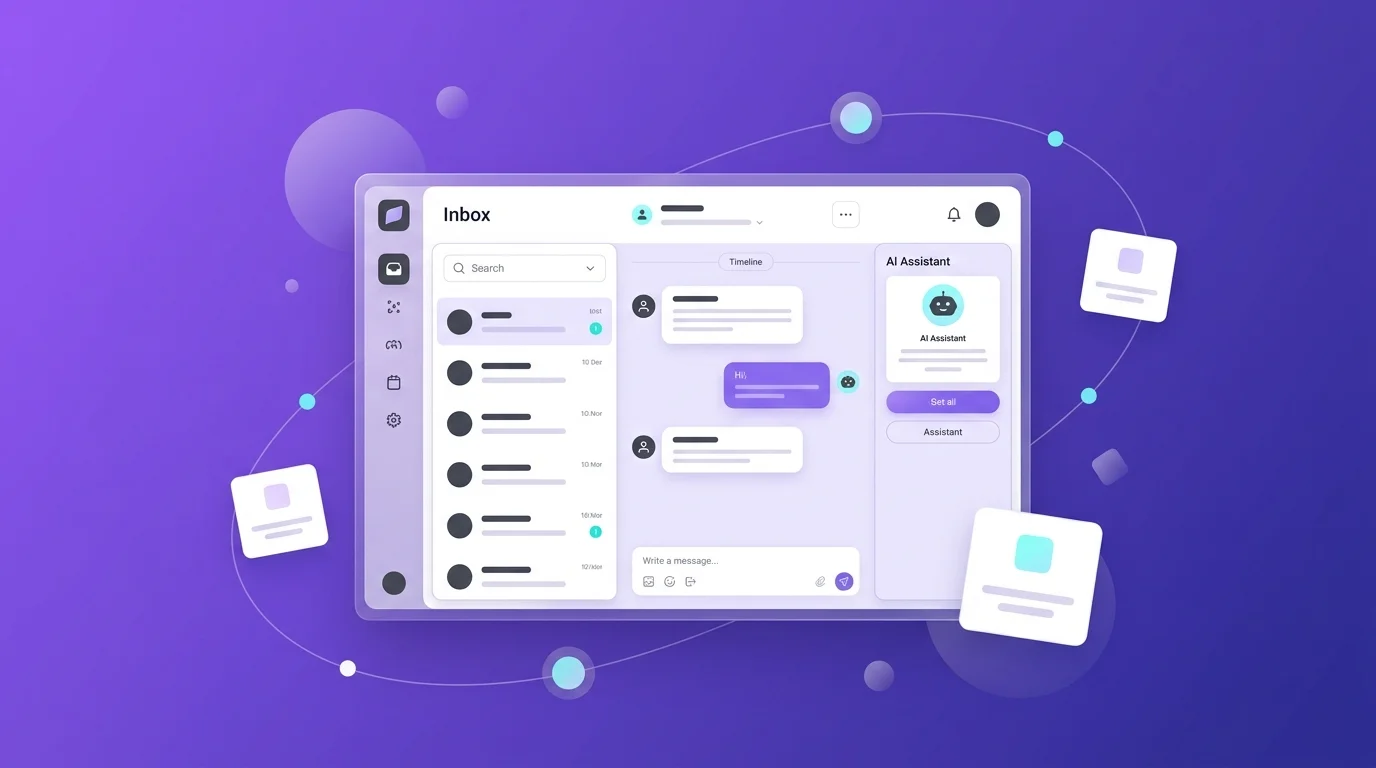
Businesses need AI chatbots not only for customer engagement but also for operational efficiency. These digital helpers can handle repetitive tasks that typically consume significant employee resources. This enables human staff to focus on more complex tasks that require critical thinking and creativity. Furthermore, AI chatbots reduce the likelihood of human error, improve response times, and enhance the overall customer experience.
What Are the Use Cases for Chatbots for Business?
From simple inquiries to complex multi-step processes, the applications of AI chatbots are diverse and multifaceted. Businesses can employ them in numerous areas, such as customer service, sales support, appointment scheduling, and data collection.
- Customer Support: Answering FAQs, resolving issues, and providing consistent information.
- Sales: Guiding customers through the purchase process, helping to upsell or cross-sell products.
- Appointment Scheduling: Automating the process of setting up meetings or consultations.
- Data Collection: Gathering important customer feedback and preferences for future improvements.
The flexibility of AI chatbots allows businesses to tailor their functionalities based on specific needs, making them an invaluable asset across multiple departments.
10 Key Use Cases of AI Chatbots That Boost Business Efficiency
1. 24/7 Customer Support
By operating round the clock, chatbots ensure that customer inquiries are addressed immediately, leading to higher satisfaction rates.
2. Lead Generation
Chatbots can engage website visitors, gather their information, and qualify leads with tailored questions.
3. Order Processing
AI chatbots streamline online ordering by guiding customers through their purchases and processing transactions seamlessly.
4. Personalized Recommendations
By leveraging data analytics, chatbots can offer personalized product suggestions based on customer preferences.
5. Feedback Collection
Utilizing chatbots to conduct surveys can yield valuable insights for continuous improvement.
6. Internal Communications
AI chatbots can improve team interactions by sharing updates, project statuses, and more.
7. Training Support
Chatbots can provide technical training or onboarding materials to new employees.
8. Payment Assistance
Offering support for transaction and payment-related inquiries enhances the user experience.
9. Event Registration
Automating event sign-ups and sending reminders can ease the administrative load.
10. Social Media Interaction
Chatbots can engage with users on social platforms, promoting brand awareness and customer loyalty.
What Are the Uses of AI Chatbots?
The uses of AI chatbots are nearly limitless, extending beyond immediate customer service applications. They can streamline workflows, gather valuable data, and enhance user engagement in a variety of contexts—all while reducing costs and improving response times.
Innovative businesses are exploring new AI chatbot capabilities, such as:
- Content Delivery: Providing product updates, newsletters, or targeted marketing messages.
- Error Resolution: Diagnosing issues based on user input and guiding them through troubleshooting steps.
- Customer Community Building: Facilitating forums or discussion groups for users to share experiences and tips.
By understanding these varied uses, businesses can maximize the benefits of implementing chatbots across multiple touchpoints.
Benefits of Implementing AI Chatbots in Business
Integrating AI chatbots into business operations offers numerous benefits. First and foremost, they improve response times and customer satisfaction by providing instant support. They also help to reduce costs by alleviating the burden on human resources, allowing staff to concentrate on more impactful tasks.
Moreover, chatbots enhance consistency in communication, ensuring that customers receive accurate and reliable information. With the ability to analyze data, chatbots can offer insights that inform marketing decisions and customer engagement strategies, thereby driving long-term success.
Best Practices for Deploying AI Chatbots
To maximize the effectiveness of AI chatbots, businesses should adhere to best practices during deployment:
- Define Clear Objectives: Understand the specific tasks you want the chatbot to handle before development.
- Optimize User Experience: Design a user-friendly interface that is easy to navigate.
- Integrate Across Platforms: Ensure the chatbot can operate across different platforms (website, mobile app, social media).
- Monitor and Update Regularly: Continuously analyze chatbot performance and make necessary adjustments.
- Educate Users: Provide clear instructions on how to interact with the chatbot.
By following these guidelines, businesses can leverage the full potential of their chatbot initiatives.
Future of AI Chatbots in Business Operations
As technology continues to evolve, AI chatbots are poised to become even more sophisticated. Future advancements may include improved emotional intelligence, allowing chatbots to respond based on user sentiment and context. This would make interactions feel more human-like and personalized.
Additionally, the integration of machine learning will empower chatbots to learn from past interactions, thereby enhancing their ability to handle complex inquiries. The possibility of integration with augmented reality (AR) could also offer exciting new avenues for customer engagement. As we look ahead, the role of AI chatbots is destined to expand, making them an indispensable part of business operations.
Final Thoughts
AI chatbots are no longer just a trend; they are an essential component of modern business operations. From enhancing customer service to automating tasks, the benefits are immense and increasingly critical for success in today’s fast-paced environment. By understanding and implementing the 10 use cases of AI chatbots that boost business efficiency, organizations can significantly improve their productivity and customer satisfaction.
As we move into the future, the role of AI chatbots will only become more pronounced. With ongoing advancements in technology, these digital assistants will continue to evolve, offering even greater capabilities and efficiencies. For businesses eager to stay ahead of the curve, investing in AI chatbots is a smart and strategic move.
FAQs Use Cases of AI Chatbots
What are AI chatbots?
AI chatbots are digital assistants using AI to simulate conversations, enabling users to interact in natural language.
How do chatbots enhance customer service?
They provide instant responses to queries, ensuring customers receive timely assistance.
Can chatbots handle multiple tasks?
Yes, they can manage various functions, including customer support, lead generation, and data collection.
Do chatbots reduce operational costs?
Absolutely! By automating repetitive tasks, they allow human resources to focus on more complex activities.