How to Build an Effective WhatsApp Marketing Bot?
In today’s fast-paced digital landscape, Build an Effective WhatsApp Marketing Bot has become a crucial strategy for brands aiming to engage customers through innovative channels. A WhatsApp marketing bot is a powerful tool that streamlines communication, enhances customer experience, and drives meaningful interactions. By integrating this bot into your marketing strategy, you can boost engagement while collecting valuable insights. This blog will guide you through the essential steps to build an effective WhatsApp marketing bot for your brand and strengthen your connection with your audience.
The impact of WhatsApp marketing cannot be understated. With over 2 billion users worldwide, WhatsApp has become an integral part of everyday communication. According to statistics, brands using WhatsApp for customer interaction report a 30% higher engagement rate compared to traditional channels. Additionally, 70% of consumers prefer messaging to voice calls, highlighting a shift toward a more conversational approach. Creating a WhatsApp marketing bot ensures your brand capitalizes on this growing trend, allowing you to deliver instant replies and support while keeping the conversation flowing.
Table of Contents
What Is a WhatsApp Marketing Bot?
A WhatsApp marketing bot is an automated service that interacts with customers via the WhatsApp platform. These bots can answer FAQs, provide product information, and even guide users through the purchase process. The beauty of WhatsApp bots lies in their ability to engage customers in real time, offering a personal touch that enhances user satisfaction. By leveraging a WhatsApp marketing bot, you can ensure your customers receive prompt responses, making them feel valued and heard.
How Does It Work?
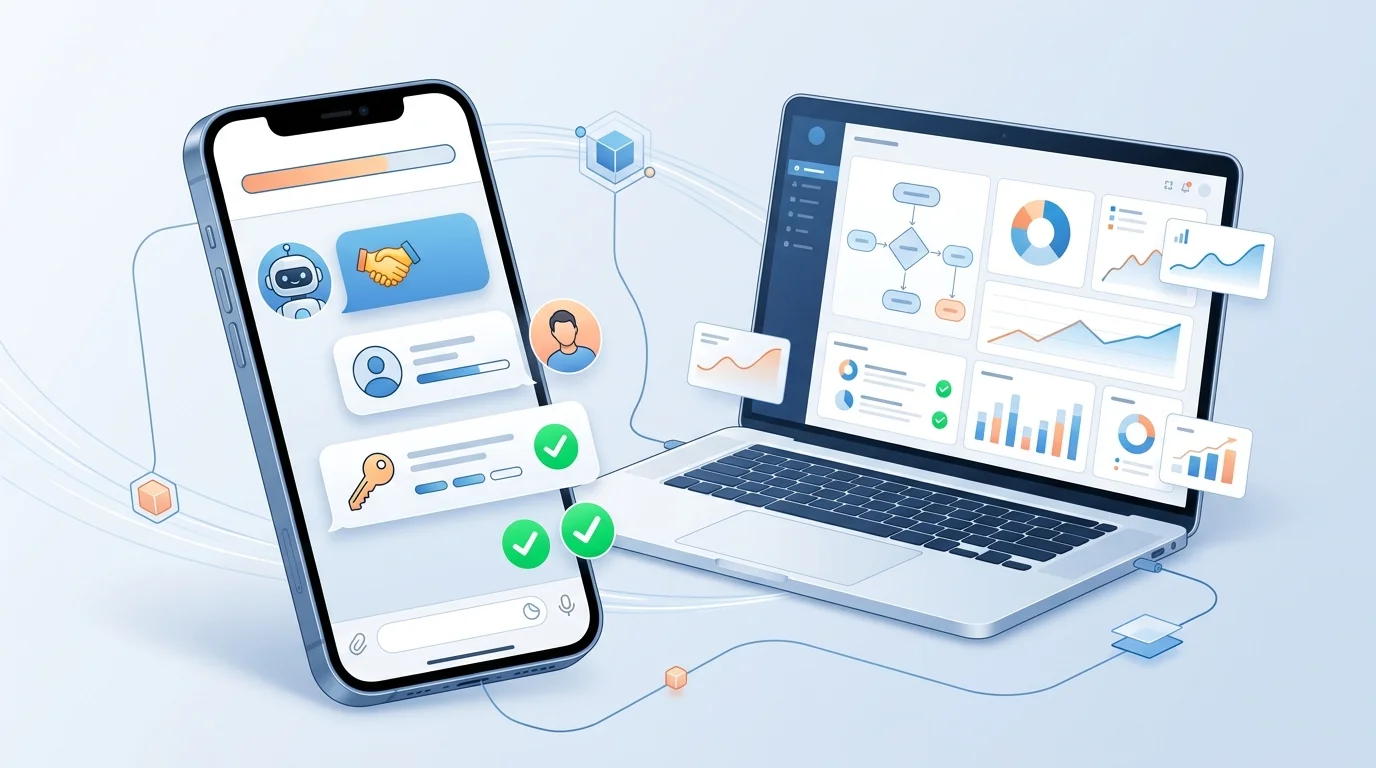
The bot operates through a predefined set of algorithms and machine learning to understand consumer queries. It uses natural language processing (NLP) to facilitate conversations, giving users the impression they are chatting with a real person. Here’s how it works:
- Users send a message to your WhatsApp number.
- The bot identifies the query using NLP.
- It pulls relevant information from your database.
- Finally, it sends an appropriate response back to the user.
This seamless interaction not only boosts customer satisfaction but also allows for 24/7 operational efficiency.
Why Your Brand Needs a WhatsApp Marketing Bot
Utilizing a WhatsApp marketing bot can set your brand apart in a competitive landscape. First and foremost, it allows for two-way communication, where customers can ask questions and receive immediate responses, thus enhancing their experience. Additionally, it can handle multiple inquiries simultaneously, reducing wait times and keeping customers happy.
Benefits of a WhatsApp Marketing Bot
Integrating a WhatsApp bot into your strategy can bring numerous advantages:
- Enhanced Customer Engagement: Foster relationships by offering instant support and information.
- Cost-Effectiveness: Automate customer service tasks, reducing operational costs significantly.
- Data-Driven Insights: Collect and analyze data to understand customer preferences better.
The investment in a WhatsApp marketing bot often leads to higher customer retention and satisfaction.
How to Create a WhatsApp Bot for Your Business
Creating a WhatsApp marketing bot requires a clear strategy and a few essential tools. Start by defining your goals—do you want to provide customer support, share promotions, or conduct surveys?
Steps to Set Up Your Bot
- Choose a Development Platform: Select tools like Twilio, Dialogflow, or ManyChat for building your bot.
- Design Conversation Flows: Outline how the bot will interact with users.
- Integrate with WhatsApp Business API: Ensure that your bot can communicate on the platform effectively.
Don’t forget to test your bot before launch to iron out any kinks!
How to Create WhatsApp Marketing Campaigns
Once your bot is up and running, crafting effective marketing campaigns becomes essential. Start by identifying your target audience and setting clear objectives for what you want to achieve.
Campaign Strategies
- Interactive Content: Create quizzes or polls to engage users.
- Exclusive Offers: Send discounts via the bot to encourage purchases.
- Feedback Requests: Use the bot to gather customer opinions post-purchase.
Tailor your content to resonate with your audience, ensuring maximum engagement.
How Much Does It Cost to Build a WhatsApp Chatbot?
The cost of building a WhatsApp marketing bot can vary widely based on your needs and the complexity of the bot. Basic bots can start as low as a few hundred dollars, while fully custom solutions can run into the thousands.
Factors Influencing the Cost
- Development Time: More features typically require more development time and, hence, more cost.
- Maintenance and Upgrades: Consider ongoing costs for updates and maintenance.
- Integration Needs: Connecting your bot with other platforms can add to the cost.
Understanding these factors will help you budget effectively.
Best Practices for Building an Effective WhatsApp Marketing Bot
Creating a successful WhatsApp marketing bot involves a few best practices that can optimize functionality and user experience.
Key Recommendations
- Keep It Conversational: Use friendly language to make conversations feel natural.
- Be Transparent: Clearly inform users when they are interacting with a bot.
- Provide Value: Ensure the bot delivers useful and relevant information.
Regularly update the bot based on user feedback to improve its effectiveness over time.
Examples of Successful WhatsApp Marketing Bots
Referencing well-known brands can provide inspiration for your own bot. Companies like Sephora and KLM have effectively integrated WhatsApp to personalize customer service and enhance user engagement.
Case Studies
- Sephora: Uses WhatsApp to offer beauty tips and personalized recommendations, leading to increased customer satisfaction.
- KLM: Provides flight updates and booking information via WhatsApp, resulting in higher customer engagement.
These examples illustrate how effective a WhatsApp marketing bot can be when tailored to your audience.
Common Mistakes to Avoid When Building a WhatsApp Marketing Bot
While building your WhatsApp marketing bot, you may encounter pitfalls that can hinder its success.
Frequent Missteps
- Neglecting User Experience: Make the interactions smooth and intuitive.
- Failing to Test Properly: Always test for bugs and issues pre-launch.
- Overcomplicating Conversations: Keep responses straightforward and simple.
Avoiding these mistakes will enhance the overall user experience and effectiveness of your bot.
Final Thoughts
Building an effective WhatsApp marketing bot can significantly enhance your brand’s interaction with customers. By automating responses and making the communication process seamless, you not only save time but also foster stronger relationships with your audience. Implementing a WhatsApp bot isn’t just about maintaining customer satisfaction; it’s a strategic investment in your brand’s future.
Take the insights from this guide to develop a WhatsApp marketing bot that aligns with your goals. Start small, keep testing, and evolve based on feedback to ensure your bot remains an asset to your brand. Happy bot-building!
FAQs About Build an Effective WhatsApp Marketing Bot
How does a WhatsApp marketing bot work?
It automates responses and interactions with customers via the WhatsApp messaging platform.
What functionalities should I include in my WhatsApp bot?
Consider features like customer support, product recommendations, and order tracking.
Is coding required to build a WhatsApp marketing bot?
Not necessarily; many platforms offer no-code solutions.
How do I integrate my bot with WhatsApp?
You’ll need to connect it with WhatsApp Business API through a development platform.
Can my WhatsApp bot send multimedia messages?
Yes, it can send images, videos, and audio messages to enhance interactions.