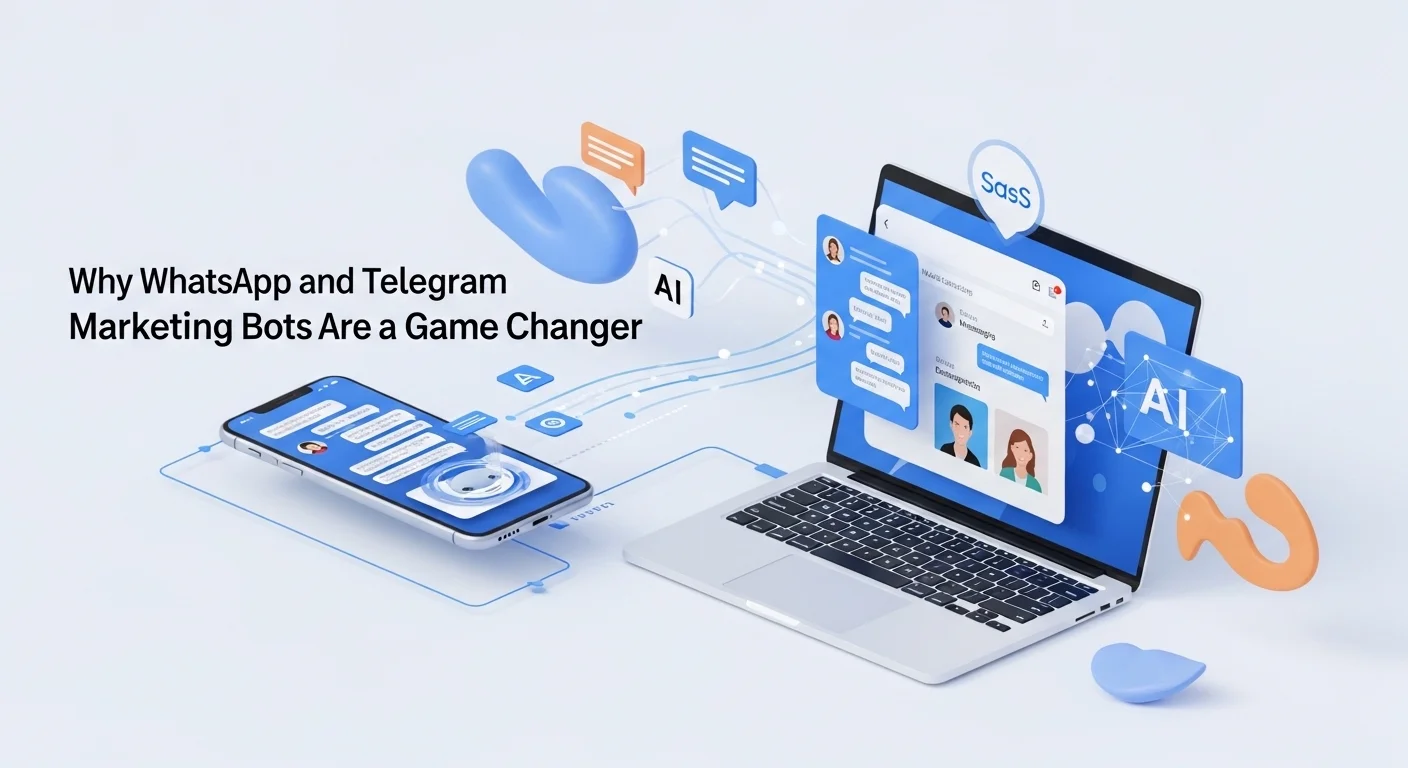
Why WhatsApp and Telegram Marketing Bots Are a Game Changer
WhatsApp and Telegram Marketing Bots are transforming the way businesses engage with their customers in today’s fast-paced digital world. These bots automate interactions, streamline communication, and offer a personalized experience that traditional marketing methods often lack. By integrating WhatsApp and Telegram bots into their marketing strategies, businesses can save time while building stronger relationships with their customers. With over 2 billion users on WhatsApp and more than 500 million on Telegram, the potential for reaching vast audiences is significant. Incorporating these bots into marketing efforts represents a pivotal shift, enabling brands to communicate more efficiently and effectively.
Given the rapid rise in the usage of messaging apps for business communication, studies indicate that companies utilizing marketing bots see a notable increase in customer engagement. For instance, a report from Gartner reveals that 85% of customer interactions will be managed without a human by 2025. This is a clear testament to the profound impact of chatbots in modern marketing.
Furthermore, having a WhatsApp bot is 20% more likely to increase customer satisfaction compared to traditional methods. Through these bots, businesses can not only respond to inquiries instantly but also engage in a more personalized manner, elevating the overall customer experience. Thus, it’s becoming increasingly evident that WhatsApp and Telegram marketing bots are indeed a game changer in the business landscape.
Table of Contents
What Are WhatsApp and Telegram Marketing Bots?
Overview
WhatsApp and Telegram marketing bots are automated software solutions designed to handle communications on these popular messaging platforms. They operate using artificial intelligence (AI) and can manage tasks like answering frequently asked questions, sending notifications, and even facilitating sales. With their user-friendly interfaces and instant response capabilities, these bots have become essential tools for businesses looking to enhance customer engagement. They can operate 24/7, ensuring that customer queries are addressed promptly, a crucial factor in today’s customer-centric market.
Benefits of Marketing Bots
The growing reliance on messaging apps for personal and business communications is significant, as companies witness the following advantages when incorporating marketing bots into their strategies:
- Instant Response: Bots can answer questions and provide support around the clock.
- Personalization: They can tailor interactions based on user data.
- Cost-Effective: Reduces the need for large customer service teams.
- Improved Engagement: Bots increase the likelihood of user interaction, fostering brand loyalty.
As organizations continue to recognize these benefits, the adoption of WhatsApp and Telegram marketing bots only seems to rise.
Key Features of WhatsApp and Telegram Marketing Bots
Automation
WhatsApp and Telegram marketing bots excel in automating repetitive tasks, freeing up valuable human resources for more complex issues. They can handle multiple inquiries simultaneously and provide instant responses, which can lead to improved customer satisfaction.
Analytics
These bots also come equipped with analytics features that allow businesses to track user interactions, measure engagement rates, and identify common customer concerns. This data becomes invaluable for refining marketing strategies and forecasting future customer behaviors.
Customization
Another feature is the ability to customize responses based on user behavior, ensuring that the conversation feels personal. This tailored communication makes users feel more valued and understood, which can significantly enhance their overall experience.
What Is the Difference Between WhatsApp Bot and Telegram Bot?
Platform-Specific Features
Though WhatsApp and Telegram marketing bots serve a similar purpose, they each have unique attributes shaped by their respective platform’s capabilities. For instance, WhatsApp’s bot can send media-rich content like images and videos, making it easier for brands to showcase products visually. In contrast, Telegram bots can support larger groups and offer interactive capabilities such as polls and quizzes.
Target Audience
Another difference lies in the target demographics of the platforms. WhatsApp tends to have a more diverse user base across various age groups, while Telegram appeals more to tech-savvy users. Tailoring the marketing strategy according to these differences is essential for maximizing effectiveness.
What Is the Purpose of Telegram Bots?
User Engagement
The main purpose of Telegram bots is to improve user engagement by providing an interactive platform for queries and feedback. They help businesses create a more engaging environment where users feel encouraged to interact and participate.
Functionality
Telegram bots facilitate various functions, such as sending push notifications, conducting surveys, and even integrating with external applications. This versatility makes them useful for businesses in a variety of sectors, from e-commerce to healthcare.
Why Marketing Bots Are a Game Changer
Accessibility
Marketing bots are accessible and easy for users to interact with, making them an ideal solution for businesses to connect with their audience. They provide contact points that are quick and convenient, especially for younger users who prefer messaging apps over email or phone calls.
Scalability
With the ability to handle thousands of queries simultaneously, marketing bots can scale effortlessly with your business. Whether you’re a startup or an established enterprise, WhatsApp and Telegram bots can adapt to your needs and audience size.
Relationship Building
Ultimately, marketing bots are designed to foster relationships. By providing consistent, quick, and helpful responses, they keep customers engaged and coming back for more.
Best Practices for Using WhatsApp and Telegram Marketing Bots
Clear Communication
Start with clear communication. Ensure your bot is programmed with concise messages that are easy to understand. Clarity not only facilitates smoother interactions but also builds trust and reliability.
Regular Updates
Keep your bot updated with new information to ensure users receive accurate data. This might include product launches, promotional offers, or answers to frequently asked questions.
Monitor Performance
Finally, monitor and evaluate the bot’s performance regularly. Analyze user interactions to refine the bot’s responses and improve customer satisfaction continually.
Final Thoughts
In conclusion, WhatsApp and Telegram marketing bots represent a revolutionary shift in how businesses communicate with their customers. The automation, personalization, and efficiency they offer can significantly enhance user satisfaction and engagement. As marketing landscapes evolve, these bots are essential tools for businesses aiming to remain competitive and customer-focused. By adopting WhatsApp and Telegram marketing bots, you position your brand for growth and success in an increasingly digital world. Embracing these innovations means ensuring you not only meet but exceed customer expectations, paving the way for lasting relationships.
FAQs About WhatsApp and Telegram Marketing Bots
What can WhatsApp and Telegram marketing bots do?
They automate responses, provide customer support, and send notifications.
Are these bots cost-effective?
Yes, they reduce the need for large customer service teams.
Can I customize responses?
Absolutely, both bots allow for personalized interactions based on user data.
How do I implement these bots?
You can integrate them through API platforms or dedicated bot-building services.