How Can AI Sales Enablement Strategies Boost Your Revenue?
AI Sales Enablement Strategies are essential in today’s business environment, as organizations must continuously refine their sales processes to sustain competitive advantage and achieve growth objectives. Artificial intelligence (AI) integration into sales enablement represents a transformative paradigm shift, augmenting human capabilities and optimizing various facets of the sales cycle.
This integration moves beyond mere automation, extending into predictive insights, personalized customer interactions, and dynamic resource allocation. The increasing volume of data generated across customer touchpoints and market dynamics necessitates sophisticated analytical tools to derive actionable intelligence, a function where AI demonstrates considerable proficiency.
This article addresses the strategic implementation of AI in sales enablement, evaluating its core components, benefits, practical strategies, implementation best practices, and the challenges associated with its adoption.
Table of Contents
What is AI Sales Enablement?
AI sales enablement refers to the application of artificial intelligence technologies and methodologies to empower sales professionals, enhance sales processes, and ultimately improve sales outcomes.
It encompasses a spectrum of tools and techniques designed to provide sales teams with the necessary resources, information, and insights at every stage of the customer journey. This includes capabilities for data analysis, predictive modeling, content generation, and intelligent automation.
Unlike traditional sales enablement, which often relies on static resources and manual processes, AI-driven approaches dynamically adapt to evolving customer needs and market conditions, supplying targeted support to sales personnel. The primary aim is to equip sales teams with tools that make their efforts more efficient, effective, and customer-centric.
Benefits of AI Sales Enablement
Integrating AI into sales enablement workflows yields a multitude of advantages, impacting both operational efficiency and strategic outcomes. These benefits contribute to a more agile and responsive sales organization:
- Enhanced Sales Productivity: AI automates repetitive tasks such as data entry, scheduling, and lead qualification, freeing sales representatives to concentrate on higher-value activities like relationship building and closing deals.
- Improved Lead Qualification and Prioritization: Machine learning algorithms analyze vast datasets to identify high-potential leads with greater accuracy, allowing sales teams to prioritize their efforts on prospects most likely to convert.
- Personalized Customer Engagements: AI facilitates the delivery of highly tailored content and communications, optimizing the customer experience and increasing engagement by understanding individual preferences and behaviors.
- Optimized Sales Forecasting: Predictive analytics capabilities provide more accurate sales forecasts by analyzing historical data, market trends, and external factors, aiding strategic planning and resource allocation.
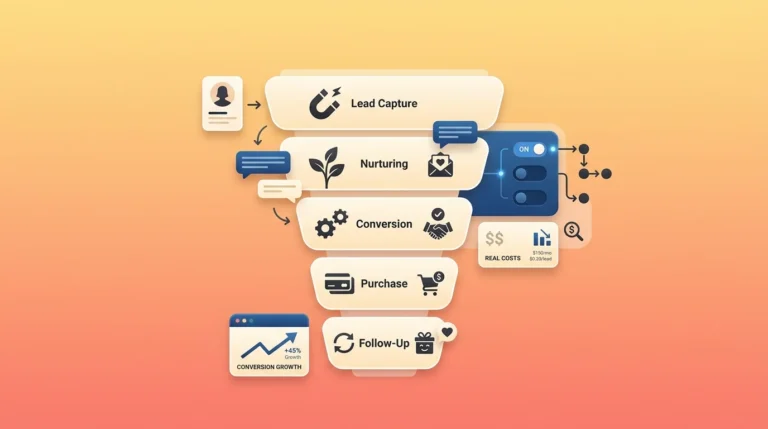
- Reduced Sales Cycle Length: By providing timely access to relevant information and streamlining communication, AI can accelerate the progression of prospects through the sales funnel.
- Data-Driven Decision Making: AI platforms furnish sales leaders with profound insights into performance metrics, customer behavior, and market opportunities, enabling informed strategic adjustments.
Key AI Sales Enablement Strategies
The successful integration of AI into sales operations requires a deliberate strategic approach, focusing on specific applications that yield measurable improvements across the sales pipeline.
Several distinct strategies leverage AI to augment sales force capabilities and drive superior results.
Leverage AI-Powered CRM Tools
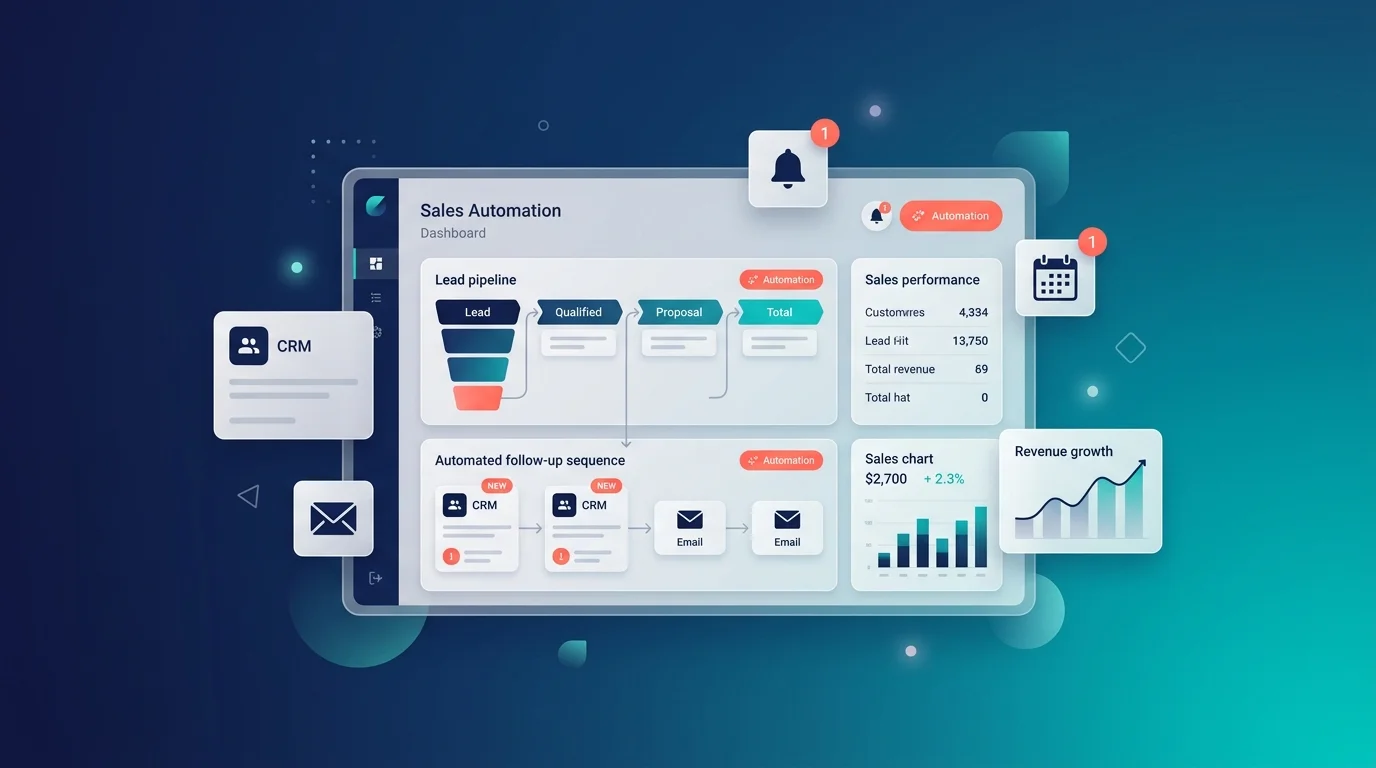
Customer Relationship Management (CRM) systems form the backbone of sales operations. Integrating AI capabilities transforms these systems from mere data repositories into intelligent platforms that actively assist sales professionals.
AI-powered CRM tools automate administrative tasks, enriching customer profiles with external data and identifying patterns in customer interactions. For instance, AI can analyze communication history, purchase behavior, and social media activity to offer a holistic view of each prospect.
This augmentation allows sales teams to understand customer needs more deeply and tailor their approach accordingly, leading to more effective and personalized engagements. The system can also suggest next best actions for sales representatives, optimizing their workflow and interaction quality.
Implement Predictive Analytics
Predictive analytics applies statistical algorithms and machine learning techniques to historical data to forecast future outcomes.
In sales enablement, this translates into capabilities such as lead scoring, churn prediction, and sales forecasting. By analyzing factors like demographic data, past interactions, and engagement metrics, predictive models can assign a likelihood of conversion to each lead, allowing sales teams to prioritize their efforts effectively.
Furthermore, these tools can anticipate customer attrition, enabling proactive interventions to retain valuable clients. Sales forecasting accuracy improves substantially with predictive analytics, providing management with a clearer vision for resource planning and goal setting.
Use AI for Personalized Content Delivery
Personalization is a critical driver of customer engagement. AI excels at analyzing individual customer data to recommend and deliver highly relevant content at opportune moments.
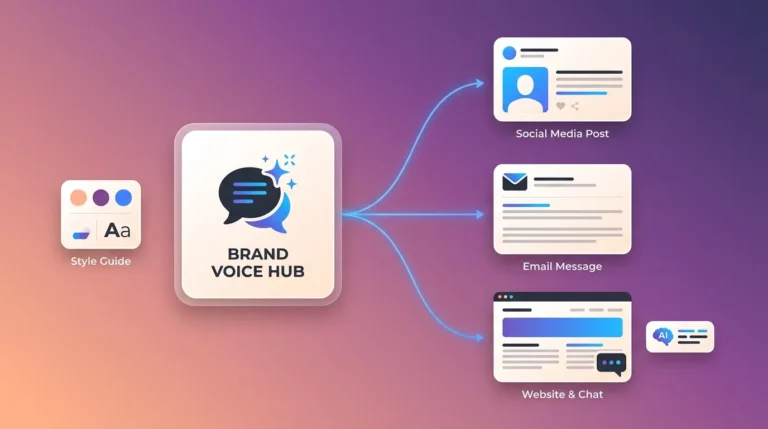
This strategy involves using AI to dynamically generate or select sales collateral, marketing materials, and communication messages that resonate with a specific prospect’s interests, industry, and stage in the buying cycle.
For example, an AI system might identify that a prospect has engaged with content related to cloud security and then suggest case studies or whitepapers specifically addressing those concerns.
This targeted approach enhances the perceived value of interactions and accelerates the decision-making process by providing information that directly addresses customer pain points and aspirations.
Enable Chatbots and Virtual Sales Assistants
AI-powered chatbots and virtual sales assistants offer scalable solutions for engaging with prospects and customers, particularly in the early stages of the sales funnel or for routine inquiries.
These tools can qualify leads, answer frequently asked questions, provide product information, and even schedule meetings, operating 24/7. Their ability to handle a large volume of interactions efficiently frees human sales representatives to concentrate on more complex or high-value opportunities.
Advanced chatbots can maintain conversational context, personalize responses based on user history, and seamlessly hand off interactions to human agents when complex human intervention becomes necessary.
Automate Reporting and Insights
Manual data collection and report generation consume substantial sales team resources. AI automates these processes, transforming raw sales data into digestible reports and actionable insights.
AI systems can identify trends, highlight performance anomalies, and pinpoint areas for improvement within the sales process. This automation ensures that sales leaders and representatives have real-time access to accurate performance metrics without the overhead of manual compilation.
For example, AI can analyze call recordings to identify successful sales techniques, or evaluate email campaigns to determine optimal messaging and timing. This analytical capability allows for continuous optimization of sales strategies based on empirical evidence.
AI-Based Training & Coaching
AI can revolutionize sales training and coaching by providing personalized feedback and adaptive learning experiences. These systems analyze individual sales representative performance data, identifying strengths and weaknesses. They can then recommend targeted training modules, simulate sales scenarios, and even provide real-time coaching during calls through natural language processing.
For instance, AI can evaluate a sales pitch for adherence to best practices, tone, and effectiveness in addressing customer objections. This individualized approach ensures that training is highly relevant and impactful, leading to faster skill development and improved sales efficacy across the team.
Best Practices for Implementing AI Sales Enablement
Successful implementation of AI in sales enablement hinges on a thoughtful, structured approach. Organizations should consider several best practices to maximize their return on investment and ensure smooth adoption:
- Define Clear Objectives: Establish specific, measurable, achievable, relevant, and time-bound (SMART) goals for AI integration. Identify the precise pain points AI is intended to resolve within the sales process.
- Start Small and Scale: Begin with pilot programs focusing on specific aspects of sales enablement (e.g., lead scoring or content recommendations) before attempting a full-scale deployment. This allows for learning and refinement.
- Ensure Data Quality and Accessibility: AI systems depend on high-quality, clean, and accessible data. Prioritize data governance, integration, and cleansing initiatives to feed reliable information into AI models.
- Foster Collaboration Between Sales and IT: Establish strong communication channels between sales teams, who possess process knowledge, and IT/data science teams, who possess technical expertise, to ensure solutions are practical and effective.
- Prioritize User Adoption: Implement AI tools with user-friendly interfaces and provide comprehensive training. Emphasize how AI augments, rather than replaces, human roles, showcasing its benefits to daily workflows.
- Monitor and Iterate: Continuously track the performance of AI solutions, collect feedback from sales teams, and iterate on models and processes. AI systems improve with more data and refinement.
Challenges and How to Overcome Them
Despite its promise, the adoption of AI sales enablement presents several complexities that organizations must navigate for successful implementation.
Data Integration and Quality
Sales data often resides in disparate systems, is inconsistent, or incomplete, making it challenging to feed reliable information into AI models.
- Invest in robust data integration platforms and establish clear data governance policies. Prioritize data cleansing and standardization before AI deployment.
Resistance to Change
Sales teams may express skepticism or concern that AI will replace their roles, leading to resistance in adopting new tools.
- Communicate the augmentative nature of AI, highlighting how it frees up time for high-value activities. Provide extensive training and showcase early success stories to build confidence.
Lack of Technical Expertise
Organizations may lack in-house data scientists or AI specialists to develop, implement, and maintain complex AI systems.
- Partner with external AI vendors or consultants, or invest in upskilling existing IT staff through specialized training programs.
Ethical Concerns and Bias
AI models can inadvertently perpetuate biases present in historical data, leading to unfair or discriminatory outcomes in lead prioritization or customer interactions.
- Implement rigorous testing for bias, diversify data sources, and ensure transparency in AI decision-making processes where feasible. Establish ethical guidelines for AI use.
Cost of Implementation and Maintenance
Initial investment in AI infrastructure, software, and talent can be substantial, alongside ongoing maintenance costs.
- Begin with cost-effective, targeted solutions that deliver clear, measurable ROI quickly. Gradually scale investments as benefits are realized.
Tools and Technologies for AI Sales Enablement
A diverse array of tools and technologies underpins modern AI sales enablement efforts, each addressing specific aspects of the sales cycle. These solutions frequently leverage machine learning, natural language processing (NLP), and predictive analytics to deliver their capabilities.
| Category | Description | Example Tools/Technologies |
| AI-Powered CRM Platforms | Integrate AI to automate tasks, enhance data quality, provide predictive insights, and suggest next best actions for sales reps. | Salesforce Einstein, Zoho CRM, Microsoft Dynamics 365 Sales |
| Predictive Analytics Software | Utilizes historical data to forecast sales trends, identify high-potential leads, and predict customer behavior, aiding strategic decision-making. | IBM SPSS Modeler, Tableau, Alteryx, specialized lead scoring platforms |
| Marketing & Sales Optimization Tools | Platforms that streamline marketing workflows, optimize content distribution, and enhance engagement with leads and prospects | Markleyo AI |
| Conversational AI & Chatbots | Engages prospects and customers through automated chat interfaces, providing information, qualifying leads, and scheduling appointments. | Drift, Intercom, HubSpot Chatbot, Google Dialogflow, Markleyo AI |
| Content Personalization Engines | Analyzes customer data to recommend or dynamically generate personalized sales collateral and marketing messages. | ContentSquare, Optimizely, various AI-driven content management systems |
| Sales Coaching & Training AI | Analyzes sales calls and interactions to provide personalized feedback, identify skill gaps, and suggest targeted training modules. | Gong.io, Salesloft, Chorus.ai |
Future of AI Sales Enablement
The trajectory of AI in sales enablement indicates continued integration and increasing sophistication. Future developments will likely center on more autonomous systems, enhanced predictive capabilities, and deeper personalization across the entire customer lifecycle.
We can anticipate AI moving beyond mere assistance to a more proactive role, potentially initiating engagements, tailoring value propositions in real-time, and even negotiating aspects of deals under human oversight.
The proliferation of data from interconnected devices and augmented reality will provide AI with richer contexts for understanding customer intent and behavior, leading to hyper-personalized experiences.
Furthermore, ethical AI and explainable AI (XAI) will become increasingly important, addressing concerns about bias and ensuring that AI-driven recommendations are transparent and justifiable. The synergistic relationship between human sales professionals and advanced AI systems will continue to evolve, with AI serving as an indispensable partner in driving sales excellence.
Conclusion
AI sales enablement represents a strategic imperative for organizations seeking to optimize their sales performance in a competitive environment.
By automating routine tasks, furnishing predictive intelligence, and enabling personalized customer interactions, AI empowers sales teams to operate with greater efficiency and effectiveness.
Key strategies, such as leveraging AI-powered CRM, implementing predictive analytics, and deploying conversational AI, contribute to a more data-driven and customer-centric sales approach.
While challenges related to data quality, user adoption, and ethical considerations exist, these can be mitigated through careful planning, incremental implementation, and a focus on continuous improvement.
The ongoing evolution of AI technologies suggests a future where intelligent systems play an even more integral role in shaping sales strategies and outcomes, ultimately redefining the landscape of commercial engagement.
FAQs About AI Sales Enablement Strategies
How do AI Sales Enablement Strategies improve lead conversion?
By using predictive analytics, AI-powered CRMs, and personalized content delivery, AI sales enablement strategies help prioritize high-potential leads and deliver relevant messaging, increasing conversion rates.
What are the benefits of implementing AI Sales Enablement Strategies?
Benefits include enhanced sales productivity, improved lead qualification, personalized customer engagement, more accurate sales forecasting, reduced sales cycles, and data-driven decision-making.
How can AI Sales Enablement Strategies support sales training?
AI analyzes sales rep performance, identifies skill gaps, and delivers personalized coaching and training modules, helping teams improve their effectiveness and close more deals.
What challenges should organizations consider when adopting AI Sales Enablement Strategies?
Challenges include data quality and integration issues, resistance from sales teams, lack of technical expertise, ethical concerns, and costs of implementation and maintenance.
How do AI Sales Enablement Strategies personalize customer engagement?
AI analyzes customer behavior, preferences, and interaction history to deliver tailored content, messaging, and product recommendations, ensuring a more relevant and engaging experience.
How can businesses implement AI Sales Enablement Strategies effectively?
Start with clear objectives, pilot programs, ensure data quality, foster collaboration between sales and IT, prioritize user adoption, and continuously monitor and refine AI tools and workflows.