How Will the Evolution of Brand Growth Automation Change?
The contemporary business landscape necessitates continuous innovation in brand development strategies. Traditional methods for cultivating brand presence and fostering consumer loyalty often encounter limitations in scalability and adaptability. Brand growth automation, leveraging advanced computational capabilities, offers a transformative approach to these challenges. This article explores the trajectory of brand growth automation, examining its technological underpinnings, operational impacts, and the strategic considerations essential for its successful implementation. Focus is placed on the integration of artificial intelligence (AI) and machine learning (ML), the evolution of data-driven personalization, the imperative for system interoperability, and the ethical responsibilities inherent in these advancements. The discussion provides a comprehensive overview of how automated systems are redefining competitive advantage and consumer engagement for brands globally.
Table of Contents
Contextualizing Brand Growth Automation
Achieving sustained brand growth in dynamic markets presents inherent complexities. Enterprises frequently contend with fragmented consumer attention, escalating marketing costs, and the sheer volume of data generated across diverse channels. Manual processes for market analysis, campaign execution, and performance optimization are often resource-intensive and prone to human error, restricting agility and responsiveness. The transformative potential of brand growth automation lies in its capacity to streamline these operations, enabling a more data-informed and efficient approach to market expansion. By automating repetitive tasks and providing analytical insights, organizations can reallocate human capital to strategic initiatives, fostering innovation and enhancing overall brand value.
Automation, broadly defined, facilitates the replacement of labor in various tasks, with AI representing its latest iteration. This shift, observed across industries for centuries, now extends to cognitive processes previously considered exclusively human. For brand growth, this translates into capabilities ranging from predictive analytics for consumer behavior to automated content delivery, fundamentally altering how brands interact with their audiences and scale their operations. The ability to process vast datasets and identify subtle patterns permits unprecedented levels of market understanding and operational precision.
Technological Progressions Shaping Brand Growth Automation
The evolution of brand growth automation is inextricably linked to advancements in several key technological domains. High-capacity computing infrastructure, cloud-based services, and sophisticated data storage mechanisms provide the foundational support for processing the extensive datasets required for effective automation. Furthermore, the development of robust application programming interfaces (APIs) and microservices architectures has enabled the modular construction of automated systems, facilitating integration and scalability. These technological progressions move beyond mere computational power, incorporating sophisticated algorithms and models that mimic human cognitive functions.
The proliferation of mobile computing and pervasive internet connectivity has also generated immense volumes of data, which serve as the raw material for automation algorithms. Sensor technologies, internet of things (IoT) devices, and advanced tracking systems provide granular insights into consumer interactions and market dynamics. These data streams, when harnessed effectively, power predictive models and automated decision-making processes, allowing brands to respond proactively to market shifts rather than reactively. Such underlying technological developments collectively form the bedrock upon which sophisticated brand growth automation strategies are constructed.
Integration of Artificial Intelligence and Machine Learning in Marketing Systems
The incorporation of Artificial Intelligence (AI) and Machine Learning (ML) into marketing systems represents a significant shift in brand growth methodologies. These technologies empower businesses to move beyond descriptive analytics, enabling predictive modeling and prescriptive actions for optimized outcomes. AI, encompassing ML, deep learning, and neural networks, allows for the processing of vast datasets to identify subtle patterns and correlations that human analysis might overlook.
Specific applications of AI and ML in brand growth automation
- Predictive Analytics for Consumer Behavior: AI algorithms forecast future purchasing patterns, enabling proactive marketing interventions and inventory management. Logistic enterprises, for instance, utilize machine learning models like random forests to accurately predict growth states based on financial indicators.
- Personalized Content and Recommendations: ML models analyze individual preferences and interaction histories to deliver highly relevant content, product recommendations, and advertisements, thereby enhancing engagement and conversion rates. This level of personalization extends to dynamic interfaces that adapt to user preferences.
- Automated Customer Service and Interaction: AI-powered chatbots and virtual assistants handle routine inquiries, manage appointments, and provide instant support, freeing human agents for more complex tasks.
- Optimized Ad Spending and Campaign Management: ML algorithms continuously monitor campaign performance, adjusting bidding strategies and targeting parameters in real-time to maximize return on investment.
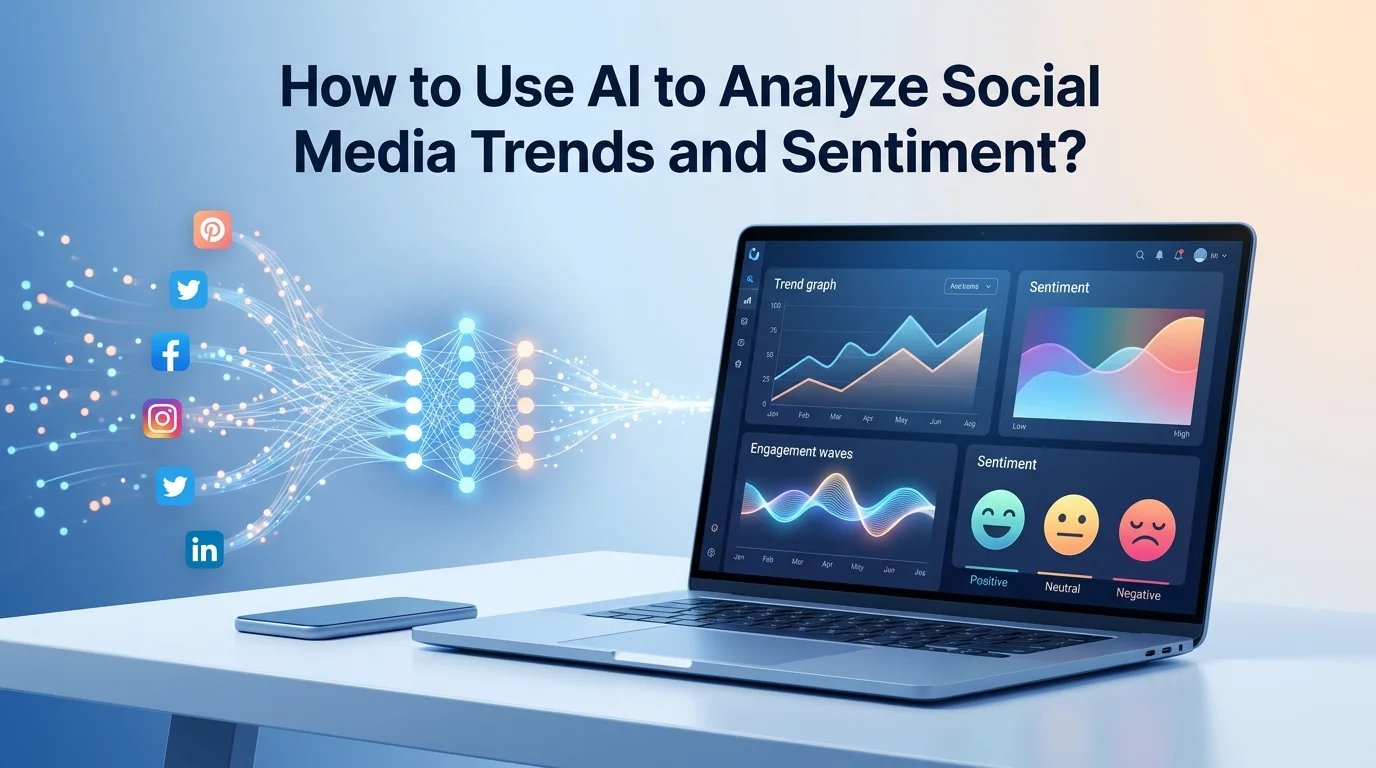
- Market Research and Trend Analysis: AI systems scan vast amounts of social media data, news articles, and competitive intelligence to identify emerging trends, sentiment shifts, and opportunities for brand differentiation.
These capabilities collectively contribute to a more responsive, efficient, and consumer-centric approach to brand development, allowing businesses to operate with greater foresight and precision. Small businesses, in particular, can leverage these tools for operational planning and revenue prediction, even with smaller data sets.
Data-Driven Personalization and Dynamic Consumer Engagement
The core of advanced brand growth automation lies in its ability to facilitate hyper-personalization and dynamic engagement with consumers. Leveraging sophisticated AI and ML models, brands can move beyond generic segmentation to provide individual-level experiences. This involves analyzing voluminous data from interactions, preferences, and behaviors to tailor messages, product offerings, and customer journeys in real-time. The goal is to create highly relevant and timely interactions that resonate deeply with each consumer, fostering stronger brand affinity and loyalty.
For example, AI-based video analysis technologies can adapt content for distribution on social media, offer personalized content, and enable fine-grained retrieval for creative reuse. Personalized virtual laboratory environments demonstrate how AI can adapt learning content based on user desires and abilities, achieving high accuracy in meeting individual needs . This concept translates directly to brand interactions, where automated systems continuously refine engagement strategies based on observed consumer responses. The real-time adjustment of marketing campaigns, triggered by specific user actions or contextual cues, ensures that brands maintain relevance and impact across the entire consumer lifecycle. Such dynamic personalization is pivotal for converting passive audiences into active brand advocates.
Interoperability and Platform Convergence in Automated Brand Expansion
Effective brand growth automation relies heavily on the seamless exchange of data and functionality across disparate systems. The challenge of data interoperability, particularly across diverse communities and application scenarios, remains substantial. In the context of brand expansion, this translates to the need for marketing technology stacks to communicate effortlessly with customer relationship management (CRM) systems, sales platforms, supply chain management, and external data sources. Without robust interoperability, automated processes become siloed, limiting their overall effectiveness and hindering a holistic view of the customer journey.
The emergence of integrated platforms and common data models addresses this concern. These solutions facilitate the harmonization of data from various touchpoints, creating a unified operational environment. Task Automation Services (TAS), for example, offer a framework for connecting diverse services, sensors, and internet-connected devices, allowing users to design custom automations that fit their specific needs. This convergence permits data consistency, reduces manual data transfer errors, and accelerates the deployment of cross-functional automation strategies. The ability to abstract data from its source and standardize its representation is crucial for scalable and adaptable automated brand expansion.
Operational Efficiency and Organizational Transformation
Brand growth automation yields significant gains in operational efficiency, fundamentally transforming organizational structures and workflows. By automating routine and repetitive tasks, such as data entry, email sequencing, and social media scheduling, human resources can pivot towards more strategic, creative, and analytical endeavors. This reallocation enhances productivity and allows for deeper engagement in activities that require human judgment and ingenuity.
Furthermore, automated systems excel at optimizing resource allocation. Through continuous analysis of performance metrics, AI can identify the most effective channels, messaging, and timing for marketing efforts, ensuring that budgets are deployed optimally. This capability minimizes wasted expenditure and maximizes the impact of each marketing dollar. The organizational transformation extends to a shift in required skill sets, necessitating a workforce adept at collaborating with intelligent systems, interpreting data insights, and focusing on strategic oversight rather than manual execution. Businesses that embrace these shifts become more agile, responsive, and ultimately, more competitive in the market.
Navigating Complexity and Market Disruption
In environments characterized by rapid change and unforeseen market disruptions, strategic adaptation is paramount for brand longevity. Brand growth automation provides a robust framework for navigating such complexity by enabling real-time market sensing, rapid response, and continuous optimization of strategic initiatives. Automated systems can monitor vast quantities of external data, including competitor activities, economic indicators, and shifts in consumer sentiment, providing actionable intelligence that allows brands to adjust their strategies with unprecedented speed.
This agility translates into a significant competitive advantage, allowing brands to seize emerging opportunities and mitigate potential threats before they escalate. The strategic imperative for adopting automation stems from its capacity to enhance decision-making processes, reduce time-to-market for new initiatives, and foster a culture of continuous learning and improvement within the organization. The following table summarizes key strategic considerations for brand growth automation:
| Strategic Dimension | Impact of Automation | Key Considerations |
| Market Responsiveness | Accelerated reaction to trends and competitive actions. | Data integration, real-time analytics, flexible campaign frameworks. |
| Resource Optimization | Efficient allocation of marketing budgets and personnel. | Performance tracking, predictive modeling, A/B testing automation. |
| Innovation Capacity | Freed-up human capital for creative and strategic tasks. | Upskilling workforce, fostering human-AI collaboration. |
| Risk Mitigation | Early detection of negative brand sentiment or market shifts. | Sentiment analysis, anomaly detection, automated alert systems. |
By systematically addressing these aspects, organizations can embed automation into their strategic fabric, fostering resilience and sustained growth.
Ethical Considerations, Data Governance, and Regulatory Dynamics
The expansion of brand growth automation introduces significant ethical considerations, necessitates robust data governance frameworks, and operates within an evolving landscape of regulatory dynamics. The extensive collection and processing of personal data for personalization and targeting raise fundamental questions about privacy and data security. Regulations such as the General Data Protection Regulation (GDPR) and the California Consumer Privacy Act (CCPA) underscore the legal imperative for transparent data practices, requiring explicit consent and providing individuals with control over their information. Brands must implement stringent data governance policies to ensure compliance and maintain consumer trust.
Furthermore, the potential for algorithmic bias in AI-driven automation systems presents a critical ethical challenge. Biases embedded in training data can lead to discriminatory outcomes in targeting, content delivery, or pricing, alienating segments of the consumer base. Organizations must prioritize fairness, accountability, and transparency in their AI deployments, conducting regular audits to identify and mitigate biases.
The development of ‘digital twins’ of individuals, while offering analytical advantages, also highlights the need for careful ethical oversight regarding the simulation and prediction of human behavior. The human-AI interaction also warrants careful design to ensure user control and ease of operability, addressing concerns of over-automation. Adherence to ethical guidelines and proactive engagement with regulatory bodies are essential for fostering responsible and sustainable brand growth through automation.
Conclusion
Brand growth automation, underpinned by advancements in artificial intelligence and machine learning, is fundamentally reshaping how enterprises engage with markets and consumers. The capacity to automate complex marketing processes, deliver hyper-personalized experiences, and derive actionable insights from vast datasets provides an unparalleled competitive edge. This evolution necessitates a strategic reorientation, emphasizing data interoperability, operational efficiency, and dynamic adaptation to market changes. As brands increasingly integrate these technologies, a concurrent focus on ethical considerations, robust data governance, and proactive engagement with regulatory frameworks becomes indispensable.
The future of brand growth will be defined by organizations that skillfully balance technological innovation with responsible deployment, leveraging automation not merely for efficiency, but for building authentic, enduring connections with their audience. Continued research and development in AI and ML will undoubtedly unlock further capabilities, urging brands to remain agile and forward-thinking in their adoption strategies.
FAQs: Evolution of Brand Growth Automation
What is the Evolution of Brand Growth Automation?
It refers to how automation tools have advanced over time to help brands scale marketing, improve customer engagement, and optimize operations using AI and data-driven systems.
Why is brand growth automation important for modern businesses?
It saves time, reduces manual work, improves accuracy, and boosts growth by automating repetitive tasks like customer targeting, analytics, and campaign management.
How does AI improve brand growth automation?
AI enhances personalization, predicts customer behavior, automates decisions, and delivers smarter recommendations that help brands grow faster.
How has automation transformed marketing strategies?
It shifted marketers from manual execution to data-driven, automated workflows that deliver faster results, better targeting, and improved ROI.
Can small businesses benefit from brand growth automation?
Yes. Modern tools are affordable and scalable, helping small businesses automate customer engagement and compete with larger brands.