How Does AI Make Customer Retention Automation Simple?
A shopper gets a tiny ping on the phone. A quick chat bubble answers a question before the cart goes cold. Two weeks later a gentle reorder nudge lands in the inbox with exactly the right item. That is customer retention automation at work. It feels timely, personal, and strangely effortless.
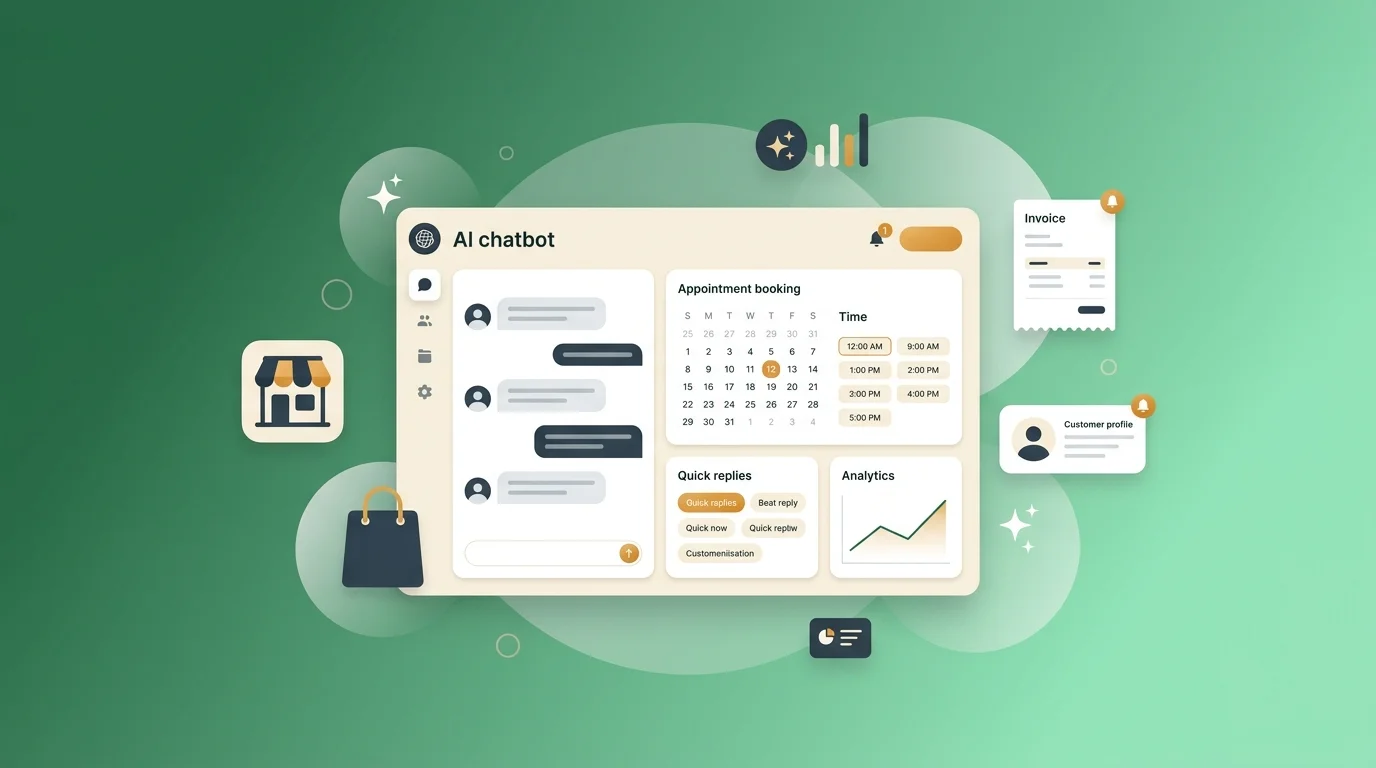
Customer retention automation uses AI bots and workflows to keep customers engaged without manual effort. It listens for behavior signals, personalizes messages, routes issues to support, and triggers rewards. The result. Fewer churn risks, more repeat purchases, and a smoother experience across email, chat, and loyalty touchpoints.
Table of Contents
Why AI Bots Simplify Customer Retention Automation
Benefits of automation to customers
People want quiet convenience. AI bots notice intent cues and act before friction grows. That means faster answers, fewer hoops, and help that feels native to the moment. The benefits show up in everyday details.
- Instant answers in chat during checkout. No long waits or support tickets.
- Right-time messages that do not nag. Think replenishment reminders tied to real use patterns.
- Personalized offers that respect preferences. Not just any discount, the next best fit for the customer.
- Proactive outreach when a feature is missed or a payment fails. Clear guidance beats surprise issues.
Done well, the automation for customer retention is nearly invisible. Customers just feel understood, not managed.
Importance of marketing automation
Retention breaks when timing breaks. Human teams cannot track every micro signal or coordinate every follow up. Marketing automation fills that gap by turning intent data into action. Over the past decade, best in class teams have moved from one size fits all blasts to adaptive sequences that adjust in real time. AI bots make the orchestration simpler and more precise, which is why automating customer retention is now a core growth lever rather than a side project.
Key benefits of marketing automation
- Consistency: No missed touchpoints when volumes spike or staff changes.
- Speed: Reaction time in seconds, not days, which cuts churn risk during critical moments.
- Scale: Thousands of journeys operated with the same attention to detail as a white glove flow.
- Learning: Every message adds data that refines the next best experience over time.
Call it the quiet compounding effect. Automation of customer retention turns small timely actions into durable loyalty.
Understanding Customer Retention In CRM
What is customer retention in CRM
Customer retention in CRM means using your central customer system to keep buyers active and loyal. It connects profiles, events, purchases, tickets, and messaging so your team and your bots see the same truth. When the CRM tracks health scores, flags churn risks, and kicks off playbooks, customer retention automated becomes a daily habit instead of a quarterly scramble.
What is customer retention rate
Customer retention rate shows the share of customers who stay with your brand over a period. People often measure customers who remain at the end of a month or quarter, after subtracting new customers, divided by the starting base. The metric is simple, but the story behind it is not. Cohorts, contract terms, and product usage patterns all influence the read.
Customer retention rate by industry
Rates vary widely by model and market. Subscription software often targets higher retention than seasonal retail. Regulated services tend to sit on the high end. Transactional categories swing more. Any benchmark needs context on purchase frequency and switching costs. Use industry ranges as a rough yardstick then build your own cohort view. Statement needs confirmation for specific vertical thresholds.
Core Strategies For Automated Customer Retention
Email marketing automation for customer retention
- Onboarding sequences: Short emails that spotlight one value moment at a time. Aim for setup, first use, and second use.
- Usage nudges: Tips that map to stalled behaviors. If a feature is untouched, send a two step how to with a video.
- Lifecycle offers: Renewal reminders, replenishment timing, and milestone rewards driven by purchase cadence.
- Win back plays: Polite check ins, feedback asks, and a fresh value hook when activity dips.
Email works well when it reads like a helpful guide. AI helps tap event triggers and tailor content blocks to the person, not just the segment.
Proactive support with AI chatbots
Chatbots can cut friction before it grows. Think checkout help, feature hints within the app, or payment recovery prompts that open a self service path. When bots escalate correctly and pass context to agents, customers feel heard rather than bounced around. This is where automated customer retention shows its value in real time.
Loyalty programs with automated client gifts
Small gestures matter. Automated client gifts tied to milestones or silent to loyal tenure add warmth. Gift triggers anchored in CRM data prevent awkward timing. Think a surprise upgrade after a year, a refill sample at the right moment, or a handwritten note powered by a fulfillment integration. Humans notice when a brand shows up without being asked.
Customer Retention Automation Tools And Software
Evaluating customer retention software
- Data fit: Can the tool read your product events and purchase data without fragile workarounds.
- Journey logic: Does it support conditions, delays, branches, and holdouts for testing.
- Channels: Email, SMS, in app, chat, and service handoff in one view.
- AI features: Recommendations, predictive risk, and content personalization that you can audit.
- Admin: Roles, approvals, and clear logging for compliance.
Essential customer retention automation tools
- CRM with events and segments.
- Marketing automation platform for journeys.
- AI chatbots connected to your help desk.
- Loyalty and rewards system with rules.
- Analytics with cohort tracking and attribution.
Comparing customer retention automation software
| Category | Best for | Key strength | Notes |
| CRM | Unified profiles | Source of truth | Must sync product events reliably |
| Journey builder | Lifecycle flows | Conditional logic | Beware channel silos |
| AI chatbot | Real time support | Intent detection | Clean escalation paths matter |
| Loyalty platform | Rewards | Rule based gifts | Tie to LTV segments |
Designing Automation For Customer Retention Journeys
Automating customer retention across touchpoints
Map the moments that matter. First value, habit building, renewal, and at risk. Then assign trigger, message, and fallback for each touchpoint. Email carries depth. In app tips carry immediacy. Chat carries confidence during decision points. The plan works when the channels sound like one voice.
Personalization and next best experience
Next best experience pairs intent and context to decide what to do next. Not just who gets a discount, who gets an education nudge, a reminder, or a quiet pause. AI helps weigh signals and predict impact across the journey, then select the most helpful action in the moment.
Marketing automation customer retention workflows
- New customer: Welcome, setup prompt, first value reinforcement, quick win story.
- Active healthy: Usage tips, value recaps, light community invites.
- At risk: Friction check, support outreach, save plan, feedback loop.
- Churned: Exit survey, content mini series, time bound return path.
The motto still holds. Right message, right moment, right channel.
Implementation Roadmap For Retention Automation
Data and integration requirements
- Define key events and fields: Map signup, first use, purchase, and renewals with clear names.
- Connect systems: Sync CRM, product analytics, help desk, and messaging to share IDs and timestamps.
- Validate flows: Trigger a test user action and confirm the CRM record updates within minutes.
Testing and optimization workflows
- Set baselines: Capture current retention and activation by cohort. Mark editor verified if data is internal only.
- Launch holdouts: Send 90 percent through the new flow. Keep 10 percent unchanged to measure lift.
- Review weekly: Compare opens, clicks, replies, conversions, and support sentiment. Roll forward the winners.
Governance and trust considerations
- Consent and preferences respected at every step.
- Clear fallback when AI is uncertain. Human review beats false confidence.
- Message frequency caps to prevent fatigue.
- Audit trails for edits, approvals, and experiment notes.
Real World Examples Of Automated Customer Retention
Customer retention automated in ecommerce
A skincare brand ties replenishment to average use windows. A week before expected runout, a message lands with a short tip and a reorder button. If a customer opens but does not click, a chatbot is available at checkout to answer ingredient questions. Conversions climb and support tickets drop in the same month.
Automation for customer retention in SaaS
A B2B app spots accounts with low feature adoption. It triggers in app tours, then a success check from the bot. Accounts that engage get a short email play to deepen usage. Those who stall get a human outreach with context. Fast forward to today, this layered play is a standard retention automation pattern in SaaS.
Customer retention rate example
Say 1,000 customers start the quarter. By the end, 900 remain and 150 new customers joined. The retention rate counts the 900 who stayed, divided by the 1,000 who started, not including the 150 new customers. The rate is 90 percent. Editor verified.
Here is the thing. Numbers matter, but the experience carries them. When messages feel respectful and support arrives before frustration, people stay longer.
Conclusion
Start with one journey that hurts the most, then layer in AI to pick the next best step. The next move is simple. Pick a touchpoint, wire a trigger, and ship a small test. Customer retention automation works best when it grows patiently and keeps learning.
FAQs About Customer Retention Automation
What are the three R’s of customer retention?
Reach, relevance, and reciprocity. Reach the customer where they are. Keep messages relevant to intent. Create reciprocity through value and respect that feels fair to the relationship. Framework is editor verified.
What are the 8 C’s of customer retention?
Commonly cited sets include customer, context, content, channel, cadence, convenience, care, and community. The point is balance. Know the person, read the moment, match the message, and sustain trust across time. Framework is editor verified.
What are the three pillars of customer retention?
Experience, value, and trust. Smooth interactions that work. Tangible outcomes that matter. Transparent practices that respect people and their data. These pillars anchor marketing automation customer retention and guide practical choices across teams.