What Are the Benefits of Automated Customer Support?
In 2026, customer expectations are higher than ever. People expect quick, consistent, and personalized help — no matter the time or platform. That’s where Automated Customer Support steps in.
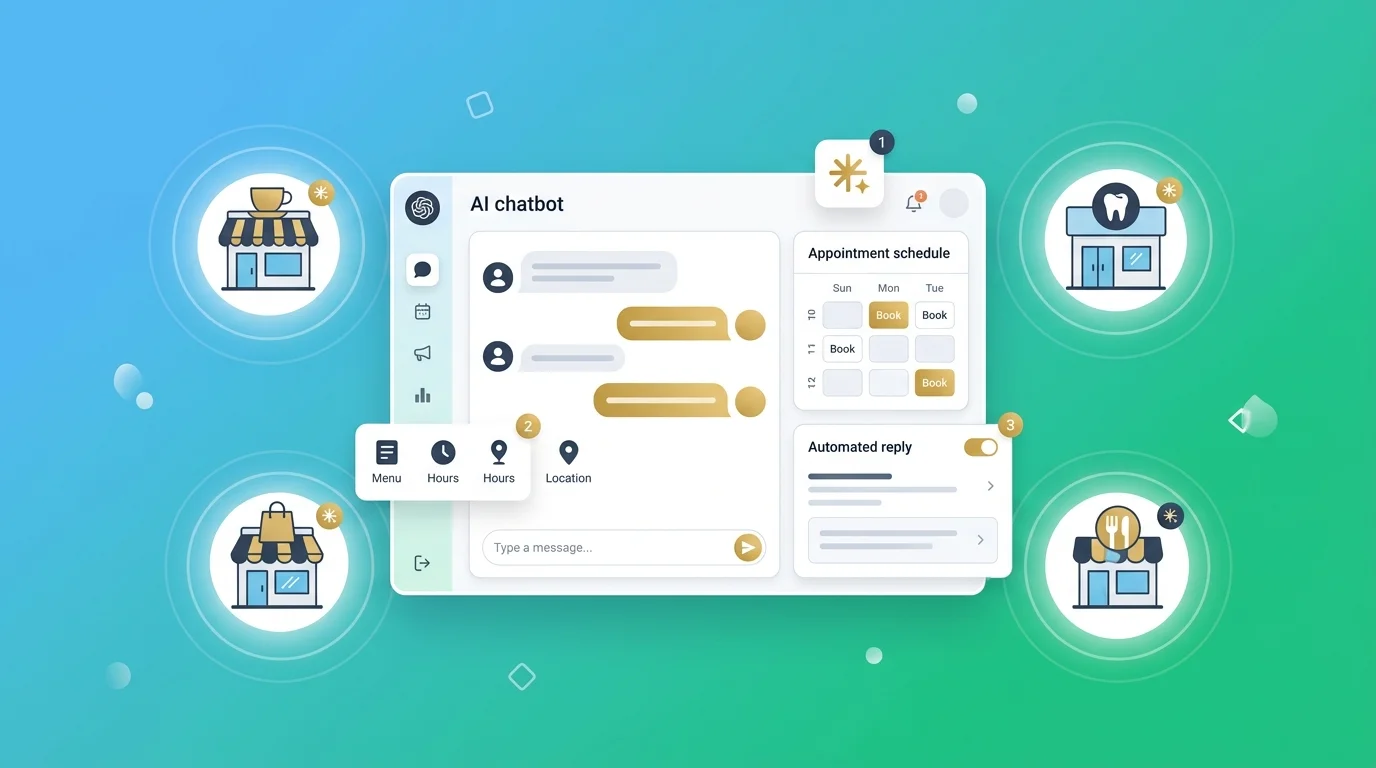
AI-driven systems and automated customer service bots are changing how businesses interact with their customers — providing 24/7 support, faster response times, and enhanced user experiences, all while reducing operational costs.
This article dives deep into the key benefits of automated customer support, explores how it enhances business operations, and reveals why it’s now essential for any brand focused on efficiency, growth, and customer satisfaction.
Table of Contents
Understanding Automated Customer Support
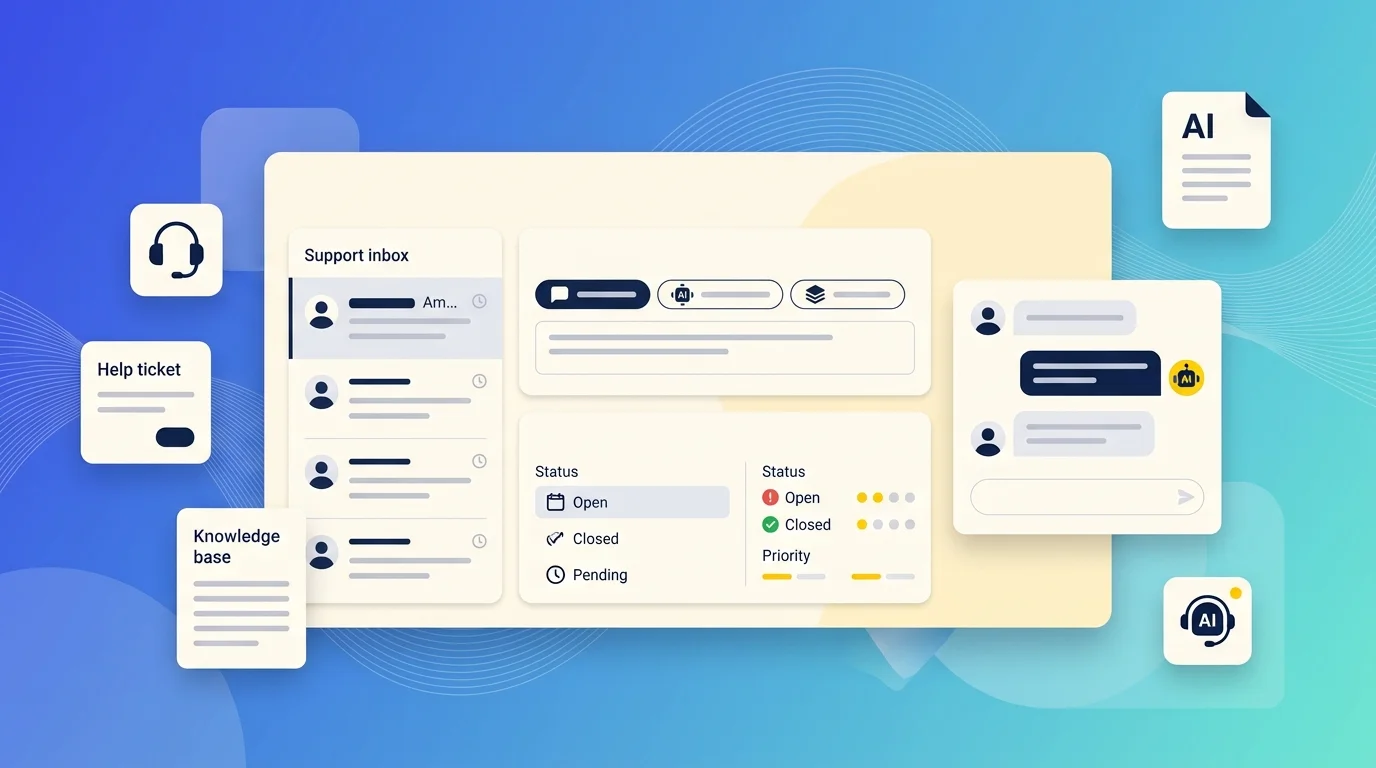
Automated Customer Support uses artificial intelligence (AI), natural language processing (NLP), and machine learning to handle repetitive customer queries and assist human agents. It includes chatbots, self-service portals, AI-powered ticketing, and predictive support analytics.
In simpler terms, automation takes care of common tasks — like answering FAQs, tracking orders, or resetting passwords — while human agents focus on complex or sensitive issues.
Modern automation doesn’t just respond to messages. It understands context, tone, and intent, offering personalized help that feels natural and human.
Always-On Support for Modern Customers
Today’s customers live across time zones and expect help instantly. Automated systems never sleep, ensuring your brand is available every hour of the day.
With Automated Customer Support, users can:
- Get instant answers to their queries anytime.
- Resolve simple issues (like order tracking or returns) without waiting for an agent.
- Access consistent information across all channels — from chat to social media.
According to a 2026 Freshdesk report, companies using automated customer service bots saw a 43% drop in average wait time and a 21% rise in customer satisfaction due to real-time availability.
This constant accessibility builds trust and ensures your customers feel valued — even outside business hours.
Faster Response Times & Improved Customer Experience
Speed is one of the biggest factors in customer satisfaction. Every second counts when a user is frustrated or facing a technical issue.
Automated customer support systems handle thousands of queries simultaneously — something human agents can’t do. Bots can instantly:
- Retrieve order information.
- Suggest relevant FAQs.
- Escalate issues to the right department when necessary.
By reducing response time, you eliminate frustration, increase resolution rates, and improve overall experience quality.
Lower Operational Costs and Higher ROI
One of the strongest business cases for Automated Customer Support is cost efficiency.
Hiring and training human agents for 24/7 coverage can be expensive. Automation allows companies to scale support without equally scaling costs.
Here’s how it impacts ROI:
- Fewer agents needed for repetitive queries.
- Reduced cost per interaction.
- Improved agent utilization rates.
- Lower turnover due to less stress from repetitive tasks.
According to Deloitte, businesses that implemented customer service automation saved up to 40% in operational costs while maintaining high satisfaction levels.
When combined with analytics and AI insights, these savings can be reinvested into marketing, training, or innovation.
Boosts Agent Productivity and Job Satisfaction
Contrary to popular belief, automation doesn’t replace human agents — it empowers them.
Automated Customer Service Bots take care of repetitive queries, freeing agents to focus on more complex and emotionally-driven cases. This leads to:
- Higher productivity per agent.
- Reduced burnout and turnover.
- Better quality interactions.
AI tools can even assist live agents by suggesting replies, fetching customer data, or analyzing tone in real time. This means faster resolution and more personalized communication — a win-win for both employees and customers.
Consistency and Accuracy Across All Channels
Human agents can sometimes provide inconsistent information — especially in large teams or across multiple communication channels.
Automation solves this by centralizing knowledge bases and maintaining a unified voice.
With AI-driven automation:
- Every customer gets accurate, up-to-date answers.
- Policies, pricing, and FAQs remain consistent across chat, email, and social platforms.
- Brand voice stays intact across all interactions.
This not only strengthens brand trust but also ensures that your company always “sounds” reliable and professional.
Data-Driven Insights and Predictive Support
Every interaction a customer has with your automated system generates valuable data.
That data — when analyzed — can reveal:
- Common issues or complaints.
- Product feedback trends.
- Customer sentiment over time.
- Opportunities for proactive engagement.
Modern Automated Customer Support tools use predictive analytics to detect patterns before they escalate into problems. For example, if multiple users report login issues, the system can alert your IT team before the issue spreads.
By transforming data into insight, automation allows businesses to make smarter, faster decisions.
Scalability for High-Volume Periods
Think of sales seasons, product launches, or holiday spikes — customer queries skyrocket.
Instead of hiring temporary staff, automated customer service bots can easily handle increased volume without compromising response time.
Automation scales instantly, ensuring your business never misses a chance to engage customers — even during peak periods.
This flexibility makes automation a powerful tool for startups, eCommerce stores, and global enterprises alike.
Improved Customer Satisfaction and Retention
At its core, Automated Customer Support improves satisfaction by giving customers what they value most: speed, accuracy, and convenience.
When customers receive quick, reliable solutions, their trust in your brand grows. They’re more likely to stay loyal, purchase again, and recommend your service to others.
Studies show that customers are 33% more likely to stay loyal to brands offering seamless automated experiences than those relying solely on manual support.
Real KPIs to Measure Automation Success
To understand the impact of automation, track these core metrics:
| KPI | Pre-Automation | Post-Automation | Improvement |
| Average Response Time | 5 mins | 30 secs | 88% faster |
| Cost per Ticket | $5.50 | $2.80 | 49% lower |
| Customer Satisfaction (CSAT) | 72% | 89% | +17 pts |
| Agent Productivity | 10 tickets/hr | 18 tickets/hr | 80% increase |
Risks and Responsible Automation
While automation offers numerous benefits, it’s not without risks. Over-automation or poorly trained bots can frustrate users and harm brand reputation.
Common challenges include:
- Bots giving incorrect answers.
- Difficulty escalating to human agents.
- Lack of emotional intelligence in sensitive cases.
To avoid these pitfalls:
- Always offer an easy option to connect with a human agent.
- Regularly update your AI training data.
- Monitor performance through analytics and customer feedback.
A hybrid model — automation supported by human oversight — ensures balance and empathy in every interaction.
How to Get Started
Here’s a simple, practical roadmap for introducing Automated Customer Support:
Step 1: Identify Common Queries
Start with FAQs and repetitive questions (like password resets or delivery tracking). These are ideal for automation.
Step 2: Choose the Right Platform
Select AI tools that integrate with your CRM or ticketing system — for example, Zendesk, Intercom, or Freshdesk.
Step 3: Build Knowledge Bases
Create standardized responses and detailed help articles to feed into your AI system.
Step 4: Launch a Pilot
Begin with a single channel (like live chat) and test performance for a few weeks.
Step 5: Measure and Optimize
Use analytics to track resolution time, deflection rate, and CSAT. Fine-tune responses based on feedback.
Step 6: Scale Gradually
Once the pilot succeeds, expand automation across more channels and languages.
This method ensures a smooth transition without disrupting customer experience.
The Future of Automated Customer Support
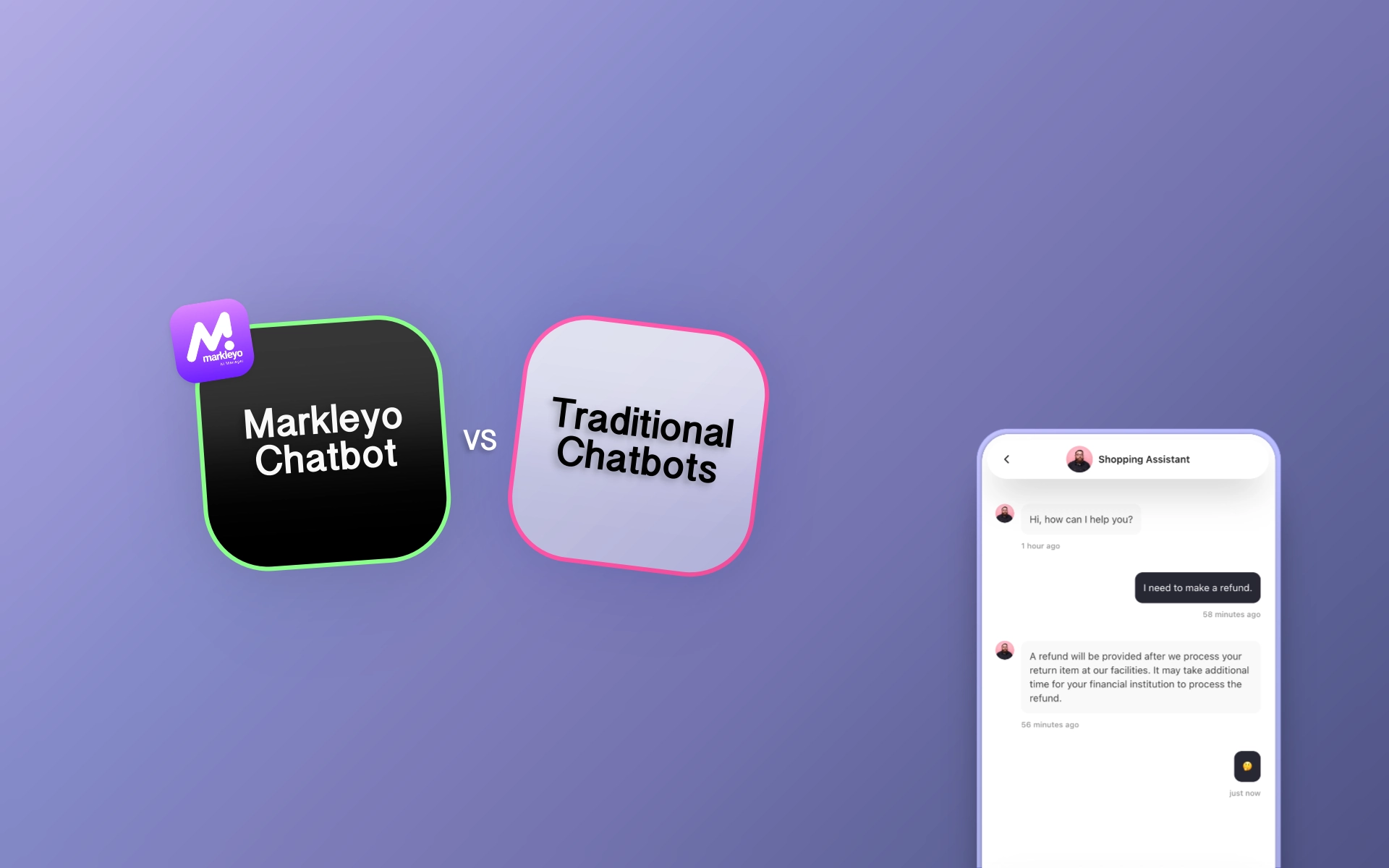
By 2026 and beyond, AI will continue to redefine customer support. New innovations like Generative AI, voice-based assistants, and emotion recognition are already emerging — Markleyo AI are leading this transformation.
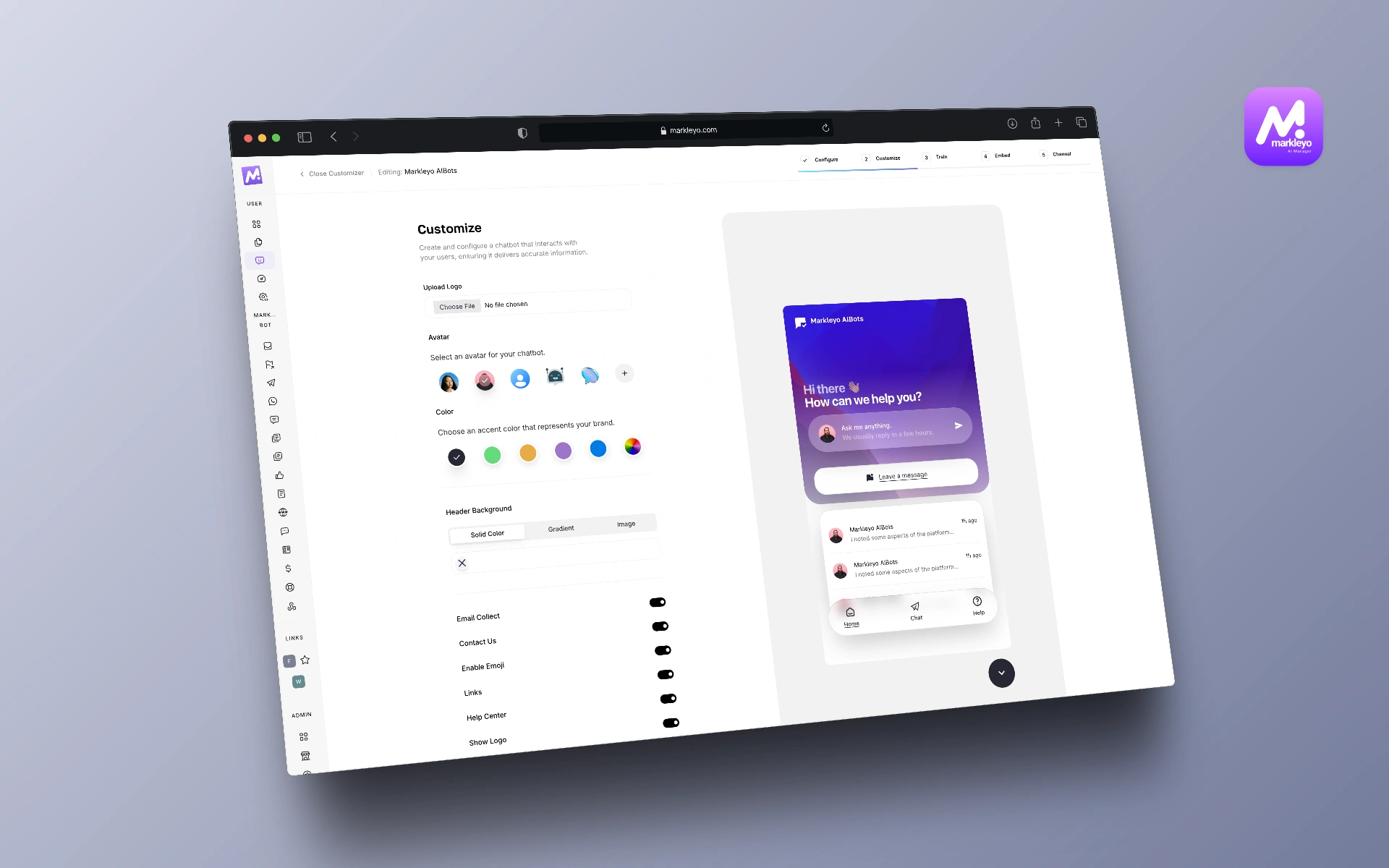
Markleyo AI empowers businesses to automate conversations intelligently, personalize interactions, and maintain a consistent brand tone across every customer touchpoint.
Businesses that adopt automation early will benefit from:
- Lower costs and higher scalability.
- More personalized, data-driven interactions.
- Faster adaptation to changing customer needs.
In short, automation powered by platform Markleyo AI isn’t just a tool — it’s a competitive advantage that helps brands stay ahead in the era of intelligent customer support.
Conclusion
Automated Customer Support has moved from being a convenience to a necessity. With automated customer service bots, businesses can provide 24/7 assistance, reduce costs, and deliver exceptional customer experiences at scale.
The key is finding the right balance — where automation handles efficiency, and humans handle empathy. Together, they form the foundation of a modern, future-ready customer support strategy.
FAQs About Automated Customer Support
What is Automated Customer Support?
It’s a technology-driven system that uses AI and chatbots to handle customer interactions without human intervention, improving efficiency and consistency.
What are the main benefits?
Faster response times, 24/7 support, reduced costs, better data insights, and improved agent productivity.
Will automation replace human support agents?
No — it complements them. Automation handles simple tasks while humans manage complex or emotional cases.
What industries use Automated Customer Support?
Almost every sector — from eCommerce and SaaS to healthcare, telecom, and banking.
How can businesses start automating support?
Begin with common FAQs, choose an AI chatbot platform, train it with real data, and scale gradually while monitoring KPIs.