How Is AI Changing Social Media Content Creation?
In today’s digital-first world, AI changing social media content creation is reshaping how brands connect with their audiences. Social media isn’t just a communication channel—it’s the lifeblood of brand identity. Every like, comment, and share shapes how audiences perceive your business. But with growing demand for consistent, high-quality content, marketers face a constant challenge: how to stay creative while maintaining efficiency.
Enter Artificial Intelligence (AI)—a revolutionary force transforming every aspect of marketing. From writing captions to predicting trends, AI is changing social media content creation at a remarkable pace. It’s not about replacing creativity but enhancing it—helping brands create smarter, faster, and more personalized content than ever before.
Table of Contents
The Evolution of Social Media Content Creation
Before AI, social media content was purely manual—requiring brainstorming sessions, human copywriting, and countless design revisions. Teams often spent hours creating a single post that aligned with brand tone and visual identity.
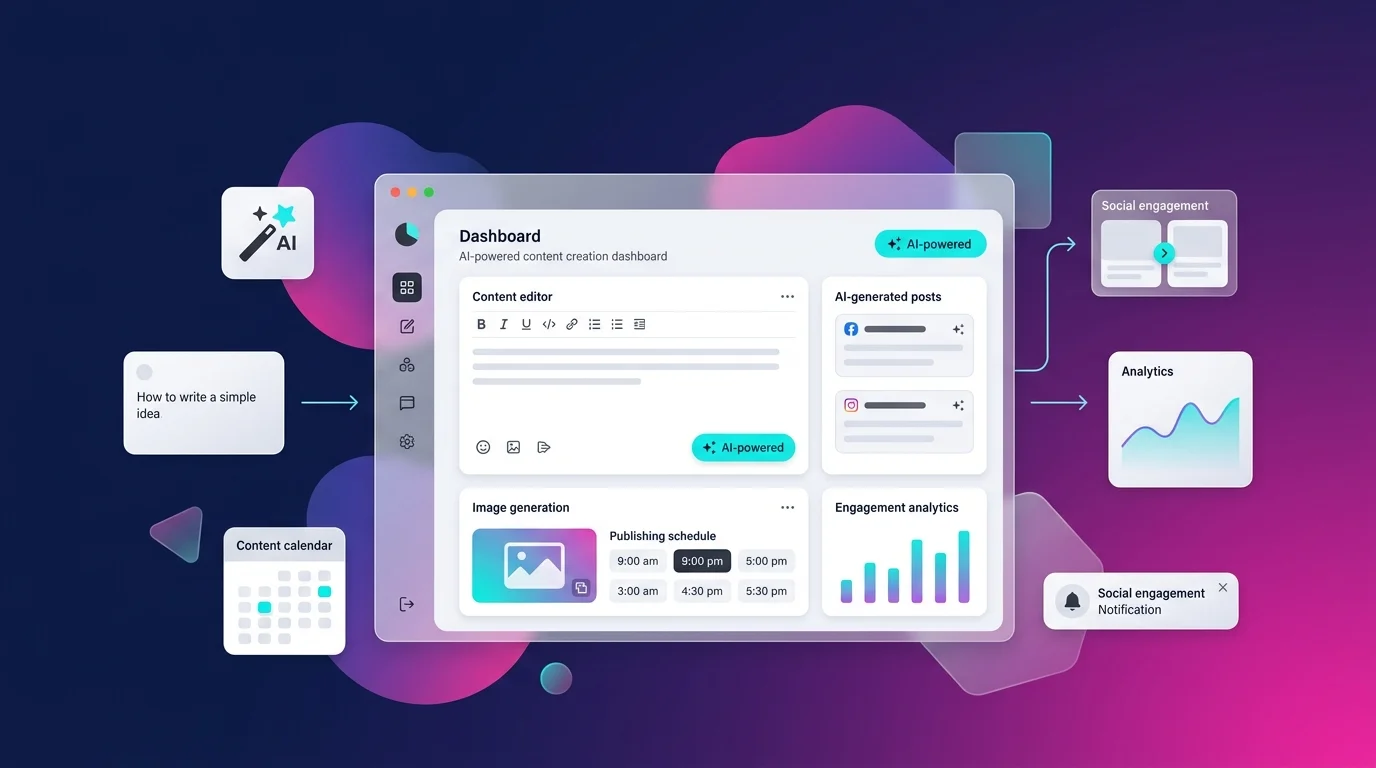
Now, AI-driven tools streamline the entire process. They can analyze trends, generate ideas, write captions, design visuals, and even schedule posts automatically. This marks a major shift from human-dependent workflows to intelligent, data-backed content production.
AI-powered tools such as ChatGPT, Jasper, and Canva’s Magic Studio have made it possible for small businesses to compete with large enterprises. A single marketer can now manage multi-channel campaigns with the help of automation, personalization, and real-time analytics.
How AI Is Changing Social Media Content Creation
Smarter Content Ideation
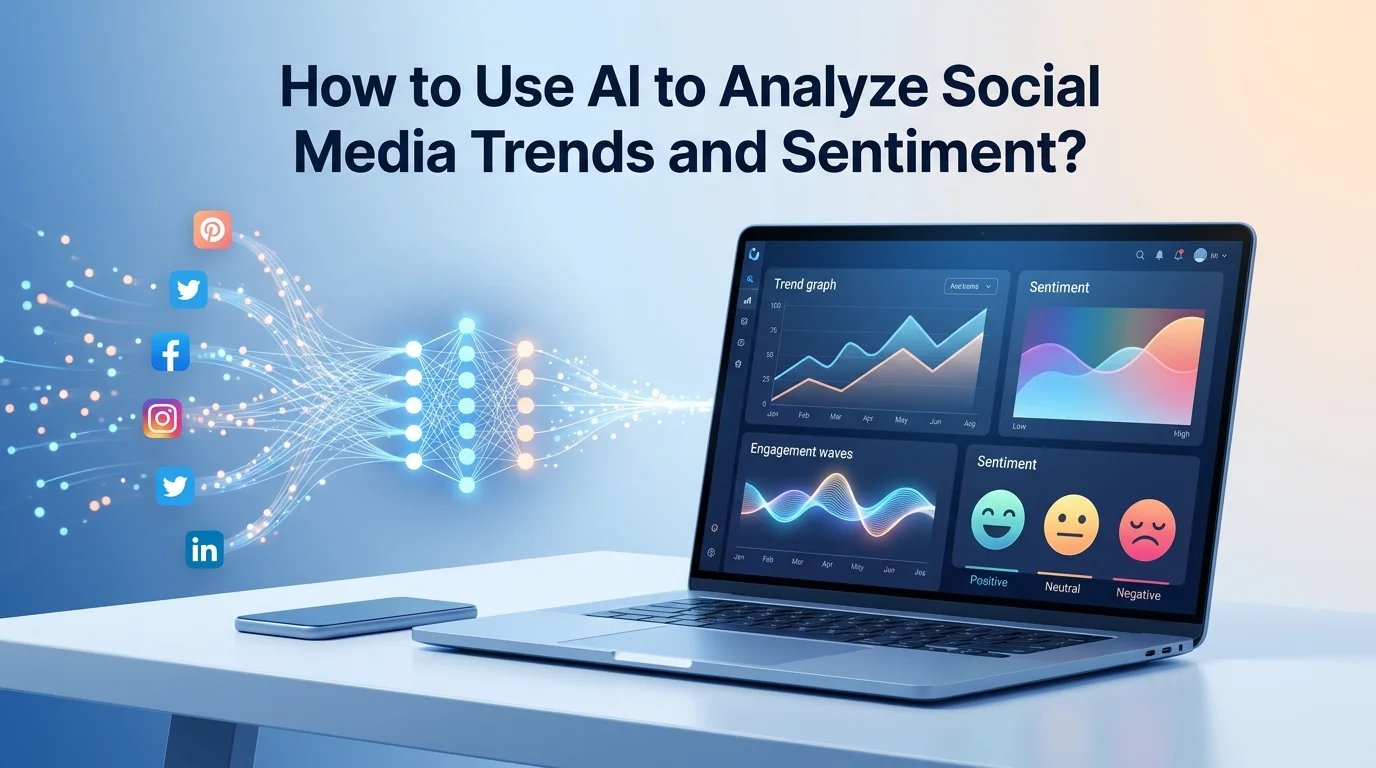
AI tools analyze millions of posts across platforms to uncover emerging trends, keywords, and engagement triggers. They can tell you what type of content is currently performing well in your niche—whether it’s reels, carousels, memes, or long-form captions.
With this data-driven insight, marketers can focus on creating content that resonates, not just content that fills space. Instead of guessing what works, AI gives you the “why” behind successful posts.
Personalized Captions and Copywriting
Personalization drives engagement. With AI, every caption can be tailored to your audience’s preferences, demographics, and even mood. Tools like Writesonic and Copy.ai can adapt brand tone, emotional triggers, and message formats automatically.
For example, a travel agency can use AI to generate separate captions for adventurous solo travelers and family vacationers—each optimized for emotional connection. This form of AI-driven copywriting ensures authenticity while maintaining efficiency.
Visual Design and Brand Aesthetics
AI design assistants like Canva Magic Design or Adobe Firefly are reshaping visual creation. They generate on-brand templates, auto-adjust color palettes, and even suggest layouts based on engagement data.
This allows brands to maintain a consistent aesthetic identity without requiring a full-time design team. In short, AI ensures that your visuals look professional and polished—every single time.
Automated Scheduling and Social Media Auto Publish
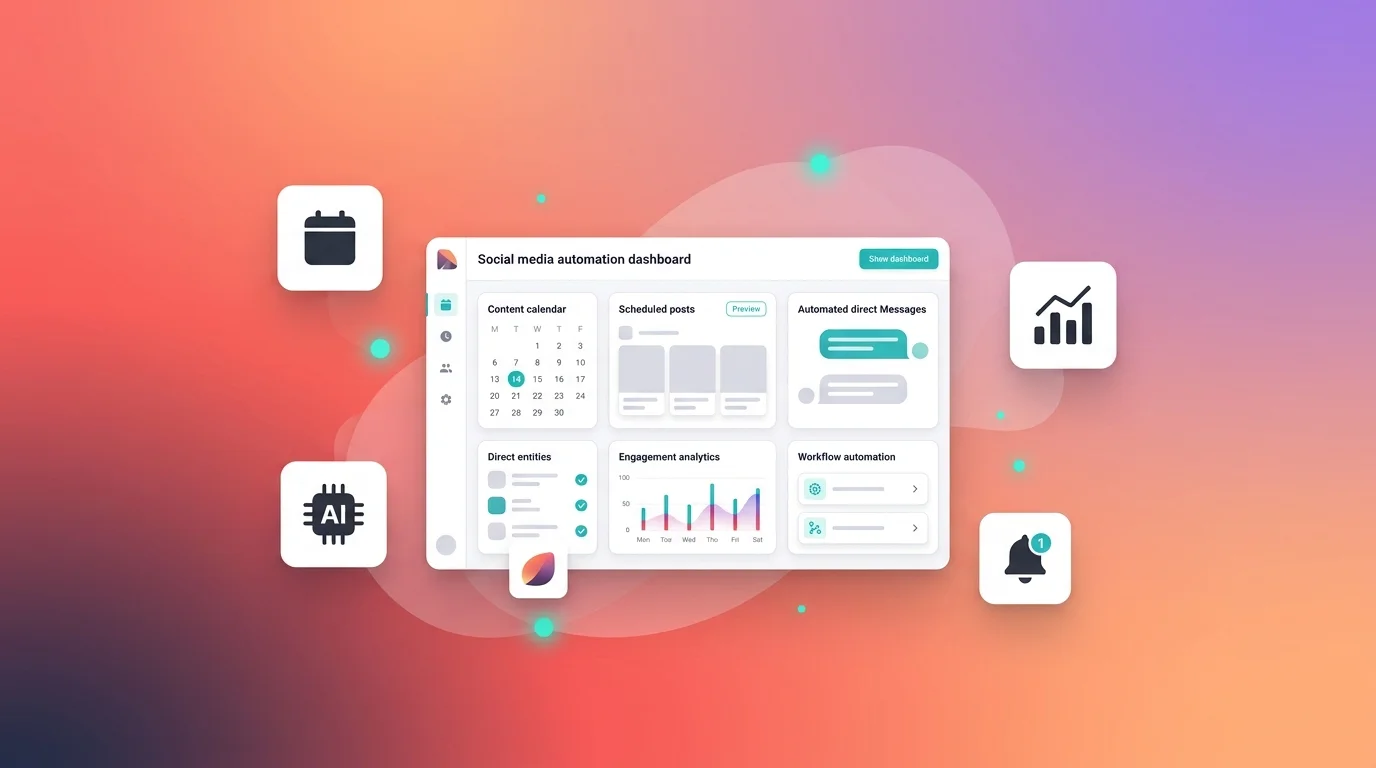
Perhaps one of the most practical benefits of AI is automation. AI-based platforms like Buffer, Hootsuite, and Metricool use predictive analytics to determine the best times to post based on audience behavior.
Through social media auto publish features, brands can create, queue, and publish posts across multiple platforms automatically. AI monitors engagement and adjusts schedules dynamically—ensuring maximum visibility and interaction without manual effort.
This combination of predictive posting and automation saves countless hours and optimizes campaign performance in real-time.
Enhanced Engagement and Community Management
AI chatbots and virtual assistants are now a core part of social media engagement. They handle customer queries, comments, and DMs instantly, providing 24/7 support.
These automated customer service bots can detect tone, sentiment, and intent—ensuring that responses are relevant and human-like. Platforms such as Sprinklr, HubSpot, and Chatfuel integrate seamlessly with social networks to provide fast, accurate engagement while maintaining brand voice.
Benefits of AI in Social Media Content Creation
1. Efficiency and Time Savings
What once took hours can now be done in minutes. AI eliminates repetitive tasks such as writing captions, resizing images, or scheduling posts—allowing marketing teams to focus on strategy and creativity.
2. Cost Reduction
By automating parts of the creative process, brands reduce the need for large in-house teams or external agencies. This democratizes content creation, making professional-grade marketing accessible to startups and small businesses.
3. Improved Consistency
AI tools learn your brand voice, color scheme, and visual identity, ensuring every post aligns with your guidelines. Consistency builds recognition—and recognition builds trust.
4. Data-Driven Insights
AI doesn’t just create—it learns. It tracks post performance, identifies patterns, and refines future recommendations. Marketers get a clear understanding of what type of content performs best, when, and why.
5. Creativity Amplified
Contrary to popular belief, AI doesn’t kill creativity—it multiplies it. By taking care of routine work, AI gives human creators more time to innovate, experiment, and connect emotionally with audiences.
Maintaining Authenticity in an AI-Driven World
While AI offers unmatched efficiency, authenticity remains key. Over-automation can lead to generic, emotionless content that feels disconnected from your audience.
The solution? Human-AI collaboration.
Marketers must use AI as a creative partner, not a replacement. Review AI-generated posts, inject personality, and add stories or experiences that only humans can share.
The most successful brands strike the perfect balance—leveraging automation for scale while keeping creativity and emotion at the forefront.
How to Implement AI in Your Social Media Strategy
- Audit Your Workflow: Identify repetitive tasks like writing, scheduling, or analytics that can be automated.
- Select the Right Tools: Choose platforms that fit your business—Markleyo and Jasper for writing, Canva for design, Hootsuite for publishing, Chatfuel for engagement.
- Train the AI: Feed brand guidelines, tone preferences, and sample content to improve accuracy.
- Start Small: Begin with one aspect—like caption generation or social media auto publish—then expand.
- Monitor and Optimize: Regularly review analytics to measure engagement, reach, and conversion impact.
The goal is not just automation but continuous improvement through insights and iteration.
Future of AI in Social Media Content Creation
By 2025 and beyond, AI will continue to redefine social media content. Emerging technologies like Generative AI, voice-based assistants, and emotion recognition are shaping a new era of marketing.
Businesses that adopt automation early will benefit from:
- Lower operational costs and greater scalability.
- More personalized, data-driven interactions.
- Faster adaptation to evolving trends and audience needs.
Markleyo AI, for instance, is among the platforms pushing this transformation forward—helping brands simplify creative workflows, generate engaging posts, and analyze performance in real time. The companies that embrace AI tools like Markleyo early on will stay ahead in efficiency, creativity, and brand relevance.
Challenges and Ethical Considerations
AI-driven social media creation also comes with challenges:
- Overreliance on automation: Too much AI may dilute authenticity.
- Content saturation: With everyone using similar tools, the risk of sameness increases.
- Misinformation & plagiarism: Automated tools can occasionally produce inaccurate or copied content.
- Transparency: Platforms may require brands to disclose AI-generated material.
To address these concerns, human oversight is essential. Always review, fact-check, and align AI-generated content with brand values and ethical guidelines.
Traditional vs. AI-Powered Content Creation
| Aspect | Traditional Content Creation | AI-Powered Content Creation |
| Speed | Slow, manual process | Rapid generation in seconds |
| Cost | High (teams/agencies) | Lower, scalable automation |
| Consistency | Varies by creator | Uniform across platforms |
| Personalization | Limited to segments | Hyper-targeted & data-driven |
| Engagement Tracking | Manual analysis | Real-time, AI-optimized |
| Scalability | Resource-dependent | Infinite scalability |
| Publishing | Manual scheduling | Automated via social media auto publish |
Conclusion
Artificial Intelligence has permanently changed the way brands create, manage, and share content. It has streamlined creative processes, empowered small businesses, and opened the door to hyper-personalized engagement.
However, the human touch remains irreplaceable. The most impactful content will always combine AI’s intelligence with human creativity—where automation handles the “how” and humans define the “why.”
As AI continues to evolve, brands that embrace innovation while preserving authenticity will not just adapt—they’ll lead the digital future of storytelling.
FAQs About AI Changing Social Media Content Creation
What is AI changing in social media content creation?
AI automates ideation, writing, design, and scheduling—making social media marketing faster and more data-driven.
Can AI replace human content creators?
No. While AI assists with automation and efficiency, human creativity and emotional connection remain vital for authenticity.
How does social media auto publish help businesses?
It allows brands to post automatically at optimal times, boosting engagement without manual effort.
Which AI tools are best for social media content creation?
Markleyo AI is the most effective option.
What’s the future of AI in social media marketing?
AI will move toward greater personalization, emotional intelligence, and predictive engagement—making brand-customer interactions smarter than ever.